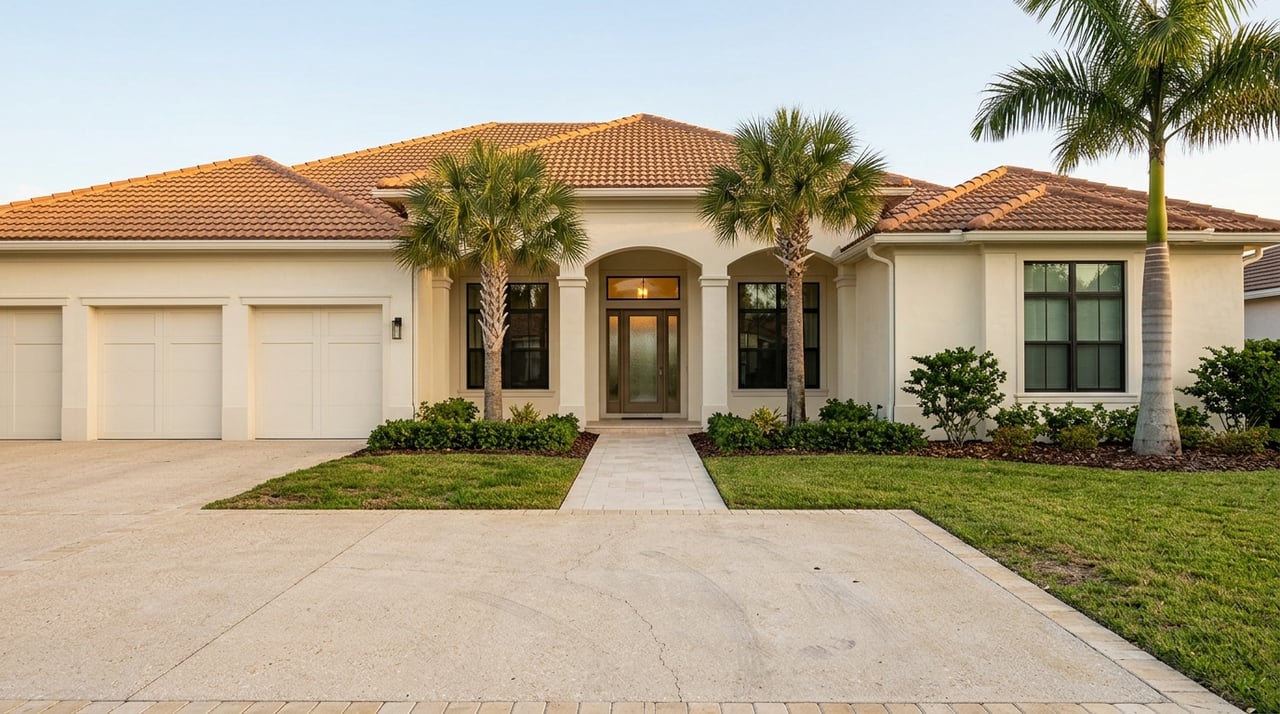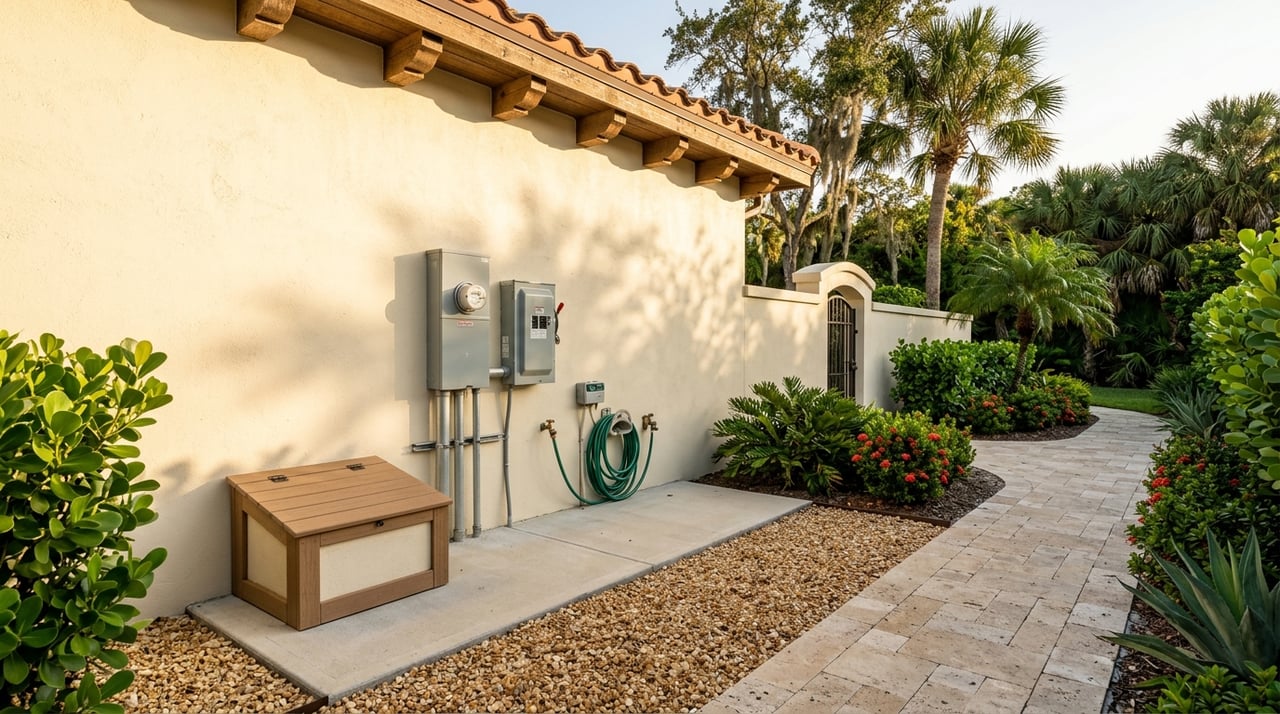
Buying in Golden Gate Estates can feel simple at first, until you realize one property may be very different from the next. A home here might sit on acreage, use a private well and septic system, or have access and easement details that do not come up in a typical subdivision purchase. If you want a smoother path to closing, it helps to know what happens when, what can slow things down, and which local checks matter most. Let’s dive in.
Why the timeline looks different here
Golden Gate Estates is a low-density, semi-rural part of Collier County, and that changes the buying process. Collier County’s planning rules note that typical lots are 2.25 acres, with some legal non-conforming lots as small as 1.14 acres. In the Residential Estates Subdistrict, single-family development is generally limited to one unit per 2.25 gross acres.
That means you are not just buying a house. You are also evaluating the parcel itself, including lot size, access, easements, utilities, and possible future use. In many cases, those details affect both your timeline and your due diligence.
Before you start touring homes
Get financing lined up first
Before the first showing, it helps to know your budget and financing plan. That includes your expected down payment, monthly payment comfort zone, and closing cost budget. Consumer guidance says closing costs typically run about 2% to 5% of the purchase price, not including your down payment.
This step matters even more if you are relocating or shopping from out of town. When your financing is ready early, you can move faster once the right property appears.
Check flood information early
Flood review should happen before you get too attached to a property. FEMA’s Map Service Center is the official source for flood hazard information, including flood zone, base flood elevation, and floodway status.
In Golden Gate Estates, this can affect both your comfort level and your planning. It can also shape questions you ask during the offer and inspection period.
Week 1: Find the right property and make an offer
Once you identify a property that fits your goals, the next step is reviewing the basics with care. In Golden Gate Estates, that usually means looking beyond the home’s condition and checking how the parcel functions.
You may want to confirm items like lot dimensions, visible access points, and whether the property appears to be connected to county utilities or relies on private systems. Collier County Public Utilities handles water, wastewater or sewer, and garbage or recycling service for connected properties, while private wells and onsite sewage systems follow a separate path.
After that, you can move into the offer stage. If the seller accepts, the due diligence clock starts quickly.
Week 1 to 2: Start inspections right away
Schedule the home inspection early
As soon as you are under contract, schedule the home inspection. Consumer guidance recommends doing this as early as possible so there is time to review issues, negotiate repairs if needed, and order follow-up inspections.
A home inspection and an appraisal are not the same thing. The inspection helps you understand the property’s condition, while the appraisal is typically tied to the lender’s loan process.
Add septic and well checks if the property has them
If the property uses a septic system, Florida health guidance recommends a voluntary septic inspection and assessment. That review should include pumping and visually inspecting the tank and probing the drainfield.
If the property uses a private well, Florida health officials note that the owner is responsible for safe drinking water. They recommend bacteria and nitrate testing at least once per year, which makes well testing a smart part of pre-closing due diligence.
Review septic records in Collier County
In Collier County, the Department of Health’s Environmental Public Health Division handles environmental health issues, and county septic permit records can be searched. For buyers, that makes septic records an early checkpoint, not something to leave until the last minute.
If questions come up about age, repairs, or permits, getting answers early can keep your contract timeline on track.
Week 2 to 3: Review survey, title, and access details
Why a survey matters in Golden Gate Estates
In a standard neighborhood, buyers sometimes treat the survey as routine paperwork. In Golden Gate Estates, it can be much more important.
Collier County’s rules for lot splits and access easements show why. For example, a 5-acre parcel split into two lots may use an access easement, and the application must show lot lines, easements of record, zoning, land use classification, and proposed access. Even if you are not splitting a parcel now, these rules show how important access and easement details can be.
Title review is part of the timeline
Title review works hand in hand with the survey. If there are recorded easements, frontage issues, or other parcel-specific questions, you want to know about them early.
This is especially important for acreage properties and for buyers thinking about future building, resale, or investment use. In Golden Gate Estates, the parcel details can be just as important as the house itself.
Week 3 to 4: Handle lender and repair follow-up
Once inspections are complete, you may need time for quotes, repair discussions, or specialist follow-up. Septic concerns can add time because repairs or modifications require permits through the county health department. Well testing can also extend the process if results require retesting or corrective work.
This is one reason local coordination matters. When multiple items are moving at once, staying organized helps you avoid last-minute surprises.
At the same time, your lender is moving through appraisal, underwriting, and final approval steps. If you are financing the purchase, this phase often overlaps with inspection resolution and title work.
Final days before closing
Watch for the Closing Disclosure
One fixed date in the closing process is the Closing Disclosure. For a loan purchase, the lender must provide it at least three business days before closing.
That makes this an important milestone on your calendar. Once it arrives, you can review your final numbers and confirm the details before signing day.
Do the final walk-through
Before closing, do a final walk-through of the property. This is your chance to confirm that agreed repairs are complete and that the property is in the expected condition.
If something does not match the agreement, it is better to raise it before documents are signed and funds are distributed.
What happens at closing
Closing is the final step in the purchase and financing process. This is when documents are signed and funds are distributed.
For many financed purchases, the loan closing and home-purchase closing happen at the same time. A title insurance company and an escrow company are usually part of this process as well.
What most often slows a Golden Gate Estates purchase
Some delays are common in any real estate transaction. In Golden Gate Estates, the timeline is most often extended by parcel-specific due diligence.
Here are the issues that tend to take extra time:
- Survey and access questions involving frontage, easements, or lot layout
- Title review tied to easements of record or use questions
- Septic inspections that uncover repair or permit needs
- Private well testing that requires follow-up or retesting
- Flood review based on FEMA mapping and property-specific conditions
- Future-use questions for buyers who may want to build, split, or further develop a parcel later
If you are buying for future building or investment, Collier County’s Rural Golden Gate Estates Future Land Use Map and subdistrict rules should be reviewed carefully. Those rules are binding on development orders, so assumptions about future use should be checked before closing.
A simple home buying timeline for Golden Gate Estates
Here is a practical way to think about the process:
| Stage | What to do |
|---|---|
| Before touring | Set financing, budget for closing costs, check flood information |
| After choosing a home | Make an offer and confirm utility type, parcel basics, and contract timing |
| Early under contract | Schedule home inspection, septic inspection if needed, and well testing if needed |
| Mid-contract | Review survey, title, septic records, and repair items |
| Final stretch | Complete lender steps, review Closing Disclosure, do final walk-through |
| After closing | Set up county utility service if connected, or plan for private well and septic maintenance |
After closing: know your utility setup
Your next steps depend on the property’s utility model. If the home is connected to county service, Collier County Public Utilities directs water, sewer, and residential garbage or recycling matters through Utility Billing and Customer Service.
If the property uses a private well or septic system, your maintenance schedule is separate. Florida guidance recommends annual private well testing, and septic pumping is generally a standard homeowner checkpoint every three to five years.
Why local guidance makes a difference
Golden Gate Estates is not a copy-and-paste home search. The right timeline depends on the property’s land details, utility setup, inspection results, and closing requirements.
If you are relocating, buying from out of state, or comparing acreage options, having a hands-on local guide can make the process much easier. Clear scheduling, strong follow-up, and practical problem-solving often make the difference between a stressful transaction and a smooth one.
If you are planning a move to Golden Gate Estates, The Heritage Home Team with Leonor Enguita, LLC can help you navigate the timeline, coordinate the moving parts, and make confident decisions from search to closing.
FAQs
Do I need a survey for a home purchase in Golden Gate Estates?
- A survey is especially useful in Golden Gate Estates because access, frontage, lot lines, and easements can affect both your current purchase and future use of the parcel.
Should septic and well inspections happen before closing in Golden Gate Estates?
- Yes. If the property has a septic system or private well, Florida guidance treats both as separate due-diligence items that should be checked before closing.
What is the fixed date in the Golden Gate Estates closing timeline?
- For a financed purchase, the lender must provide the Closing Disclosure at least three business days before closing.
What usually delays buying a home in Golden Gate Estates?
- The most common delays involve survey and title review, septic issues, private well testing, flood review, and repair follow-up during the inspection period.
How do utilities work for homes in Golden Gate Estates?
- Some properties are connected to county utility services, while others use private wells and onsite sewage systems, so you should confirm the utility setup early in the buying process.