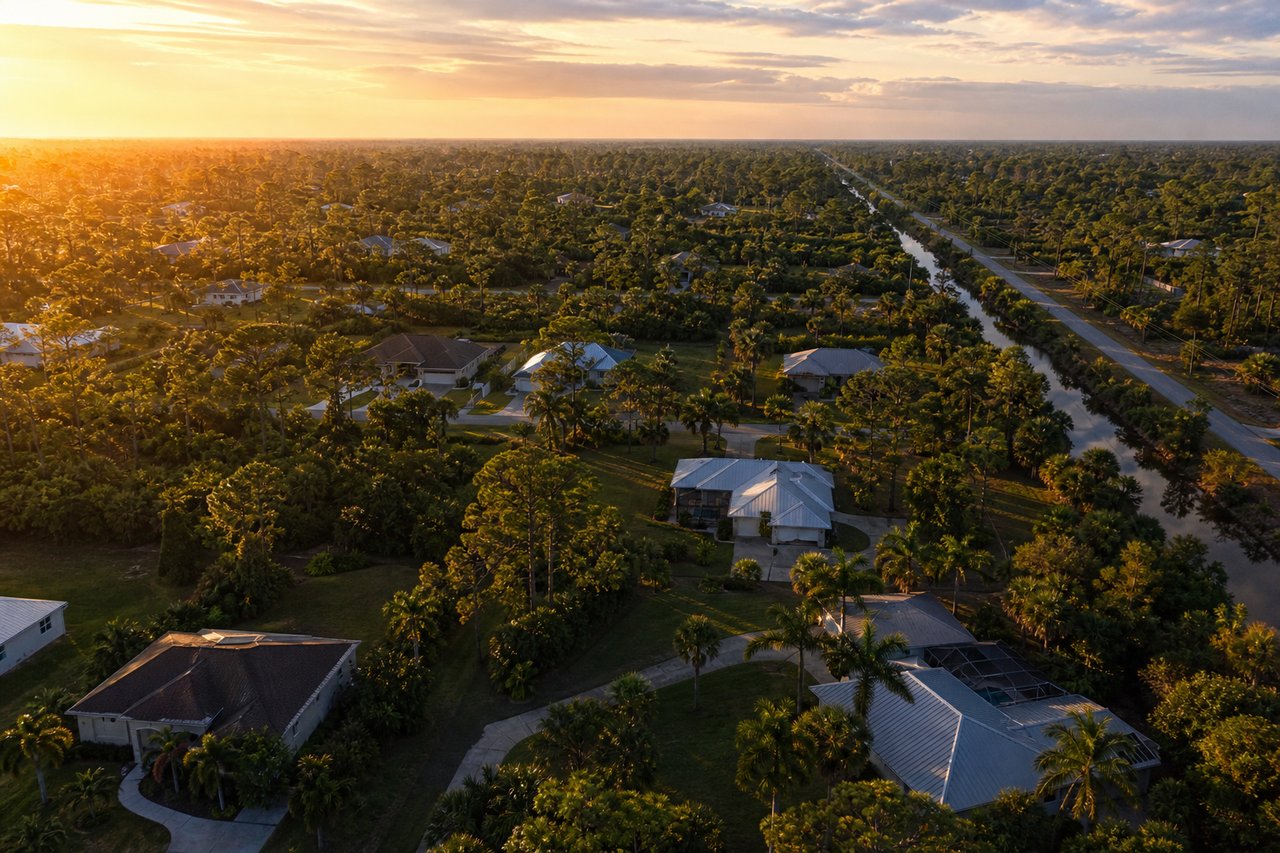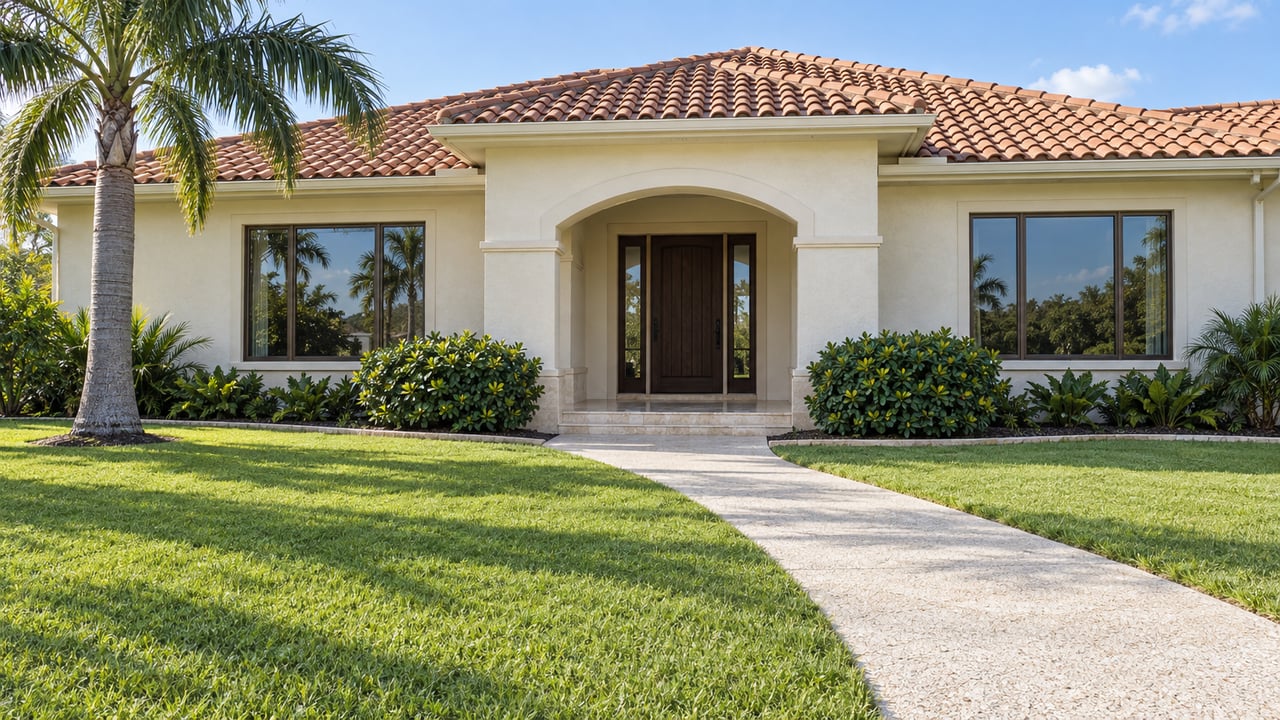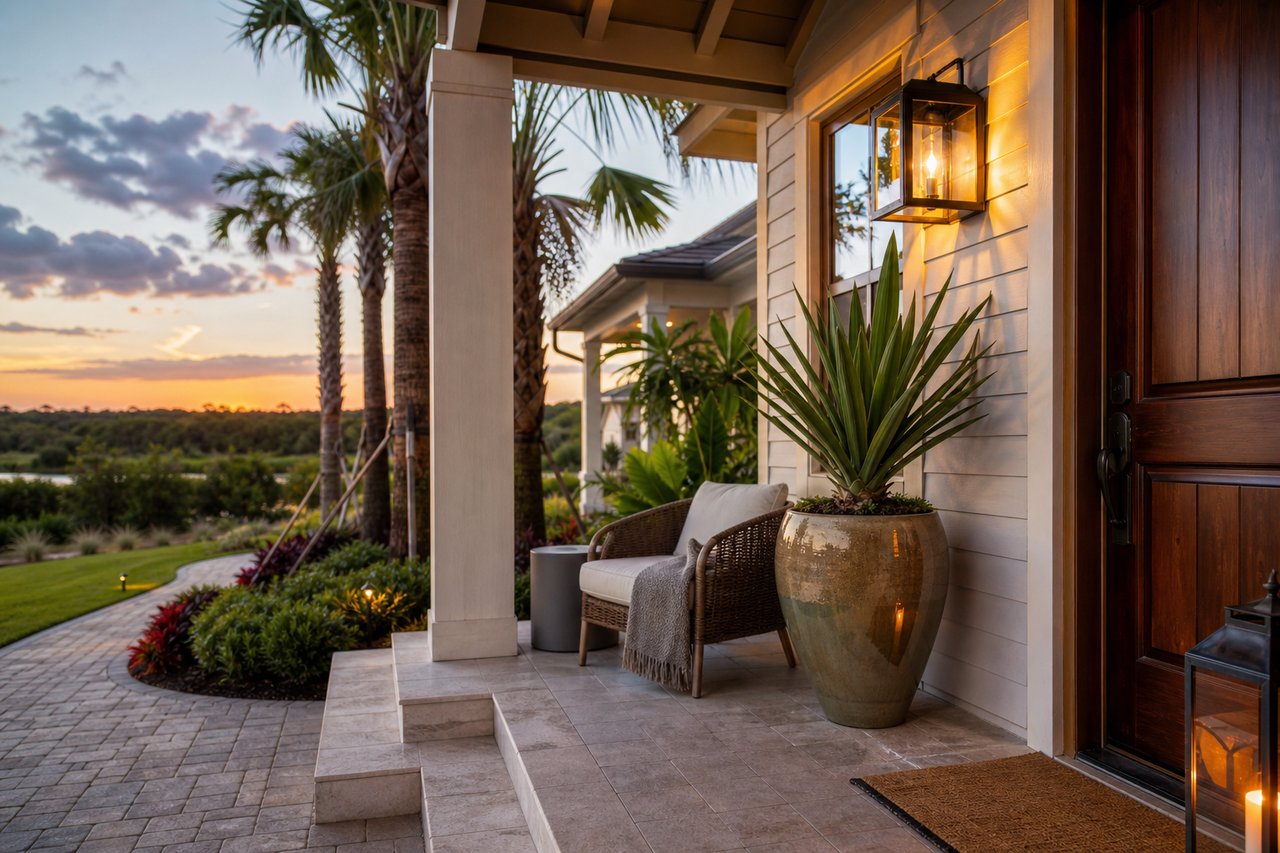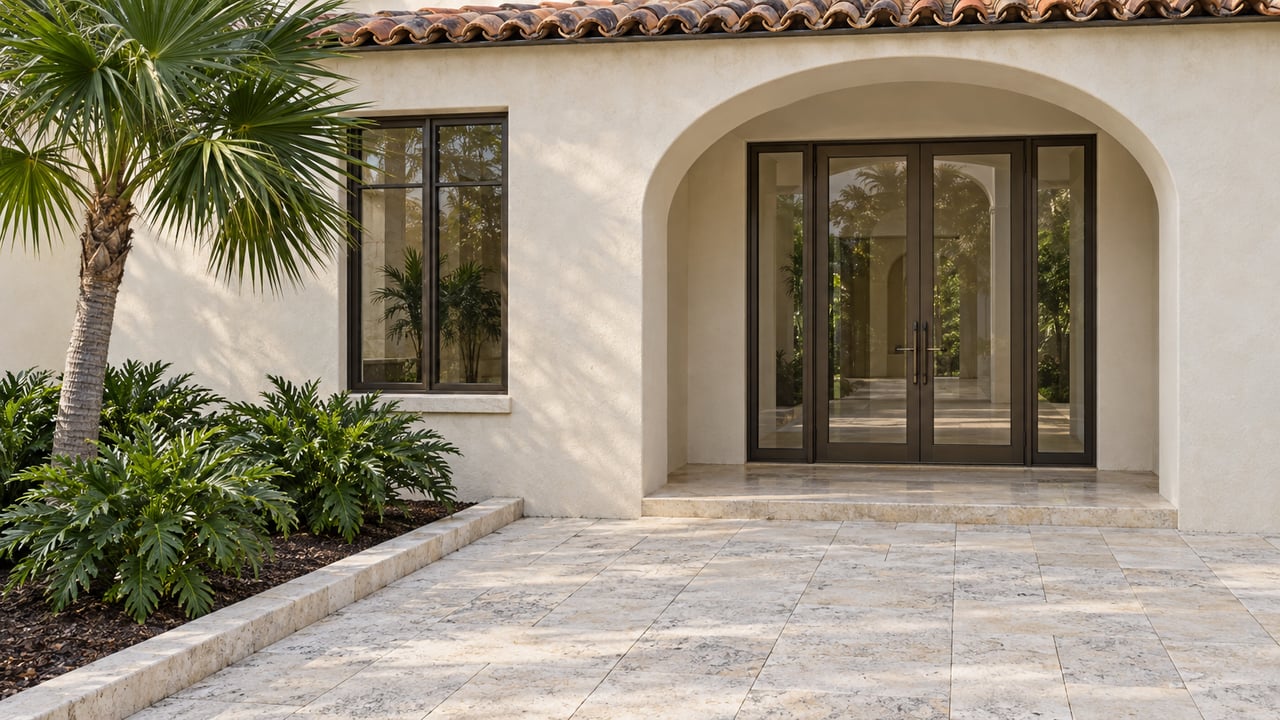
Wondering what day-to-day life in Fort Myers actually feels like? If you are planning a move, comparing Southwest Florida cities, or looking for a place that blends history, outdoor access, and an active community calendar, Fort Myers deserves a close look. From the riverfront downtown to practical details like housing costs, commute times, and school planning, here is what you should know before you make a move. Let’s dive in.
Fort Myers at a Glance
Fort Myers is a mid-sized city in Southwest Florida with an estimated population of 99,918 in 2024. It has a broad mix of residents, including households with children, retirees, and people relocating from other places.
The city also reflects meaningful cultural and language diversity. Census data shows 21.8% of residents are foreign-born, and 29.5% speak a language other than English at home. If you are moving from out of state or from outside the U.S., that can make Fort Myers feel more connected and welcoming from day one.
Fort Myers also trends older than many cities. About 23.2% of residents are age 65 or older, while 19.1% are under 18. In practical terms, that means you will find a city that supports a range of lifestyles, from retirement-focused living to family routines and everything in between.
Downtown Fort Myers Lifestyle
One of the biggest draws of living in Fort Myers is the River District. This downtown area is known for its historic setting along the Caloosahatchee River, with brick-paved streets, public art, shops, galleries, restaurants, and nightlife.
If you like the idea of being able to stroll through a walkable downtown and have local events on your calendar, this area stands out. The River District also functions as a social and cultural hub, with Friday evening programming and annual block-party-style events that keep the area active.
Historic character is part of the city’s identity beyond downtown too. Places like the Edison and Ford Winter Estates, the Burroughs Home & Gardens, and the area around McGregor Boulevard help give Fort Myers a sense of place that feels different from newer, master-planned communities found elsewhere in Southwest Florida.
Outdoor Living and Riverfront Access
Fort Myers makes it easy to spend time outside. Centennial Park is one of the clearest examples, offering 10 acres on the Caloosahatchee River with boat docks, a fishing pier, a launching ramp, a playground, volleyball, and space for community events.
For quieter outdoor time, local resources point to Six Mile Cypress Slough Preserve, San Carlos Bay Bunche Beach Preserve, and Manatee Park. These spots support activities like hiking, paddling, and wildlife viewing, which is a big part of everyday life in this part of Florida.
If your ideal move includes more fresh air and more water views, Fort Myers checks a lot of boxes. You can build a lifestyle around riverfront spaces, nature preserves, and casual outdoor recreation without feeling far from daily conveniences.
Events and the Social Calendar
Fort Myers has a noticeably event-driven rhythm. Annual highlights include ArtFest Fort Myers in February, the Edison Festival of Light in February, spring training in late winter, and July 4 festivities downtown with fireworks over the Caloosahatchee.
There are also recurring events that shape everyday life, not just tourist season. The city recreation calendar includes a Fort Myers Farmers Market and a Monthly Music Walk, while the River District is known for First Friday Art Walk and Third Friday Music Walk traditions.
For many newcomers, the city feels especially active during winter and early spring. That is when major festivals and regular downtown programming overlap, creating a lively stretch of the year that many residents look forward to.
Housing Costs in Fort Myers
If you are budgeting for a move, it is important to understand that Fort Myers is not a low-cost market based on citywide medians. Census data shows a median owner-occupied home value of $384,500, median gross rent of $1,580, and median household income of $63,732.
For owner costs, the median monthly amount is $2,160 with a mortgage and $857 without a mortgage. The owner-occupied housing rate is 49.1%, which reflects a fairly balanced mix of owners and renters in a mature Florida market.
What does that mean for you? Fort Myers offers a variety of housing settings, but your budget matters, and so does your target lifestyle. Whether you are looking at a condo, a single-family home, or a property that fits a part-time or retirement plan, it helps to line up your housing goals early.
Commuting and Daily Convenience
Fort Myers commute times are moderate rather than especially short. The average commute in the city is 25.2 minutes, while Lee County as a whole averages 29.4 minutes.
That may not sound extreme, but commute patterns still matter when you choose where to live. If you are relocating, one of the smartest moves is to think beyond the home itself and consider how often you will drive to work, appointments, shopping, parks, or downtown events.
For many buyers, this is where local guidance becomes especially useful. A home that looks great online can feel very different once you factor in your daily routes and routines.
Schools and Family Logistics
Fort Myers is served by the School District of Lee County. The district says it serves more than 100,000 students across 118 schools, making it one of the largest districts in Florida and the United States.
For relocating households, one of the most important details is that Lee County operates with multiple enrollment pathways. The district notes online open enrollment, school choice applications, magnet schools, homeschool options, and a system where families rank school preferences.
That means school research should happen before you move, not after. If school options are part of your decision, it is worth reviewing attendance boundaries, choice windows, and program availability early in your home search.
Another detail many families appreciate is the district’s statement that students may be able to earn up to 60 college credits tuition-free through partnerships with Florida Gulf Coast University and Florida SouthWestern State College. For some households, that can be a meaningful long-term planning benefit.
Weather in Fort Myers Year-Round
The climate is a major reason many people consider Fort Myers in the first place. NOAA data for Fort Myers Page Field shows an annual mean temperature of 75.4°F and annual precipitation of 57.41 inches.
Winter is generally the more comfortable stretch for many newcomers, with temperatures in the upper 60s and 70s. Summer is a different experience, with average highs around 91 to 92°F from June through August, along with humidity and frequent rainfall.
Rainfall is concentrated during the wet season, especially from June through September, when monthly averages run roughly 9 to 10.4 inches. If you move here, you will want to be ready for a climate that feels warm and sunny much of the year, but also hot, rainy, and weather-aware in summer.
Hurricane Season Is Part of Life
In Fort Myers, storm preparation is not optional. Atlantic hurricane season officially runs from June 1 through November 30, so weather planning is simply part of living in Southwest Florida.
That does not mean every day is stressful, but it does mean you should expect to stay informed and prepared. For many buyers, especially those relocating from other regions, this is one of the biggest lifestyle adjustments to understand upfront.
Who Fort Myers Fits Best
Fort Myers can work well for a range of buyers because it offers more than one kind of lifestyle. You may be drawn to the historic, walkable energy of the River District, the outdoor access, the community events, or the fact that there are different housing types and living patterns across the city.
It can be a strong fit if you want:
- A warm, riverfront setting
- A downtown with history and regular events
- Access to parks, preserves, and outdoor recreation
- A city with both retirement and family-oriented routines
- A Southwest Florida location with moderate commute times
The tradeoffs are just as important to understand. Summer heat, heavy seasonal rain, storm preparation, and the need to match your home to your commute and school preferences are all part of the real decision.
The Bottom Line on Living in Fort Myers
Living in Fort Myers means balancing lifestyle and practicality. You get a warm climate, a historic downtown core, community events, riverfront spaces, and access to outdoor recreation, but you also need to plan for weather, budget carefully, and choose your location with your daily routine in mind.
If you are relocating, buying a second home, or narrowing down neighborhoods in Southwest Florida, having local guidance can save you time and help you make a more confident decision. For personalized help exploring Fort Myers and finding the right fit for your goals, book a free relocation consultation with The Heritage Home Team with Leonor Enguita, LLC.
FAQs
What is the overall lifestyle like in Fort Myers?
- Fort Myers offers a mix of riverfront living, historic downtown character, outdoor recreation, and an active event calendar, especially in winter and early spring.
Is Fort Myers an affordable place to live?
- Citywide median figures suggest Fort Myers is not a low-cost market, with a median owner-occupied home value of $384,500 and median gross rent of $1,580.
What is downtown Fort Myers like for residents?
- Downtown Fort Myers, especially the River District, is known for its walkable historic setting, restaurants, galleries, shops, public art, and recurring community events.
What are summers like in Fort Myers?
- Summers are hot, humid, and rainy, with average highs around 91 to 92°F from June through August and heavier rainfall during the wet season.
What should families know about schools in Fort Myers?
- Fort Myers is served by the School District of Lee County, and because the district includes school choice and application pathways, families should research enrollment options early in the moving process.
How long do people commute in Fort Myers?
- The average commute time in Fort Myers is 25.2 minutes, which is moderate and worth considering when choosing where to live.