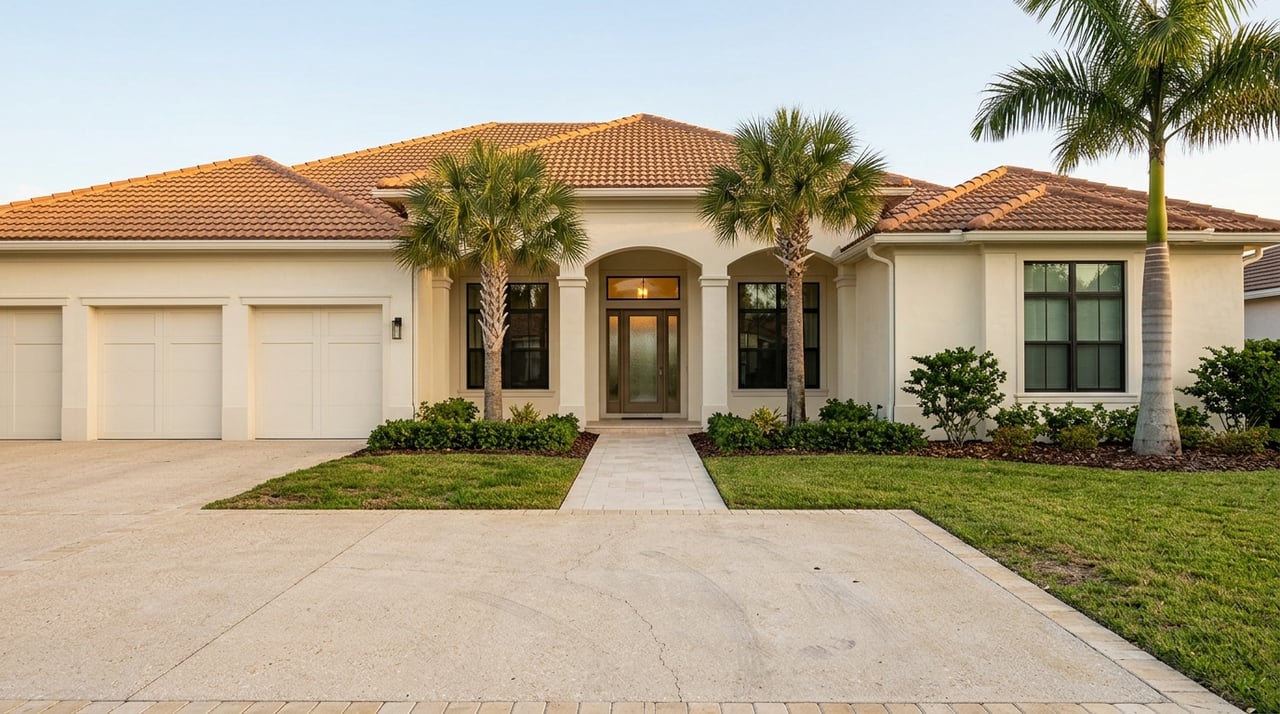
If you are dreaming about one property that gives everyone room to live together while still having privacy, Golden Gate Estates may already be on your radar. It offers larger lots and a more flexible rural setting than many other parts of Collier County, but multigenerational design here is not as simple as adding a second home in the backyard. If you want a plan that works for your family and fits the parcel, this guide will help you understand the key design, layout, and planning issues before you buy or build. Let’s dive in.
Why Golden Gate Estates appeals to multigenerational buyers
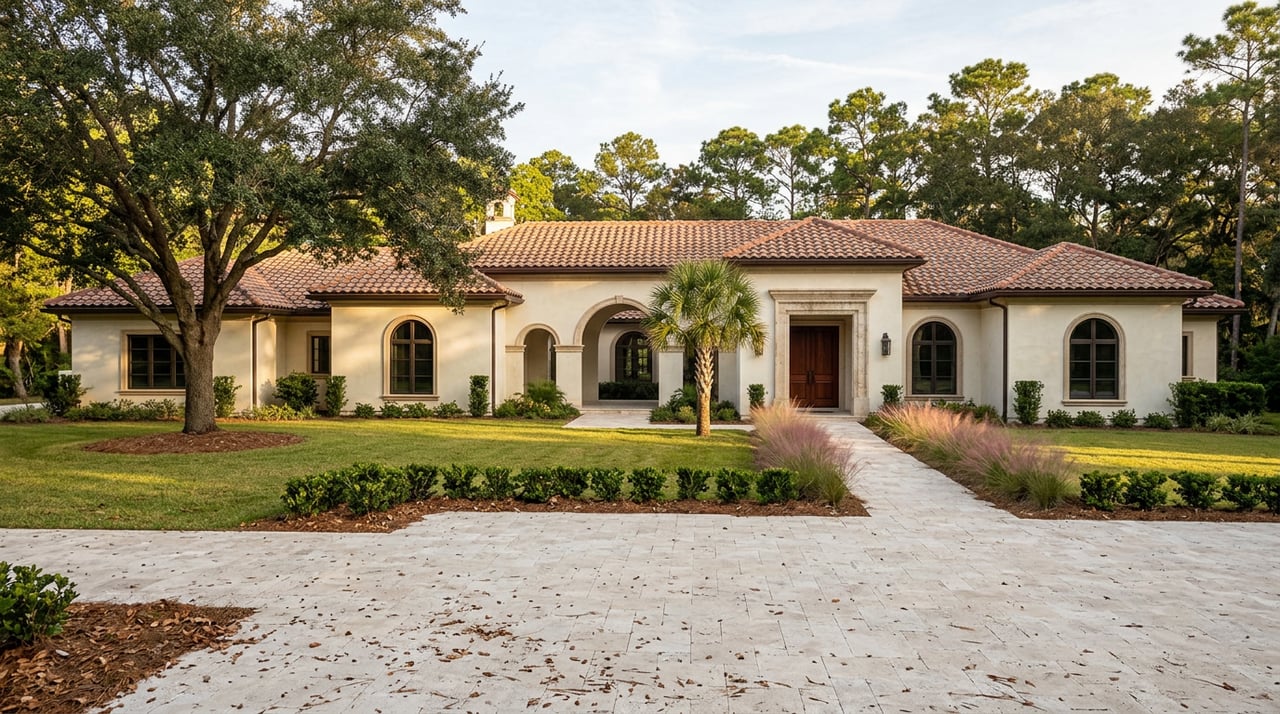
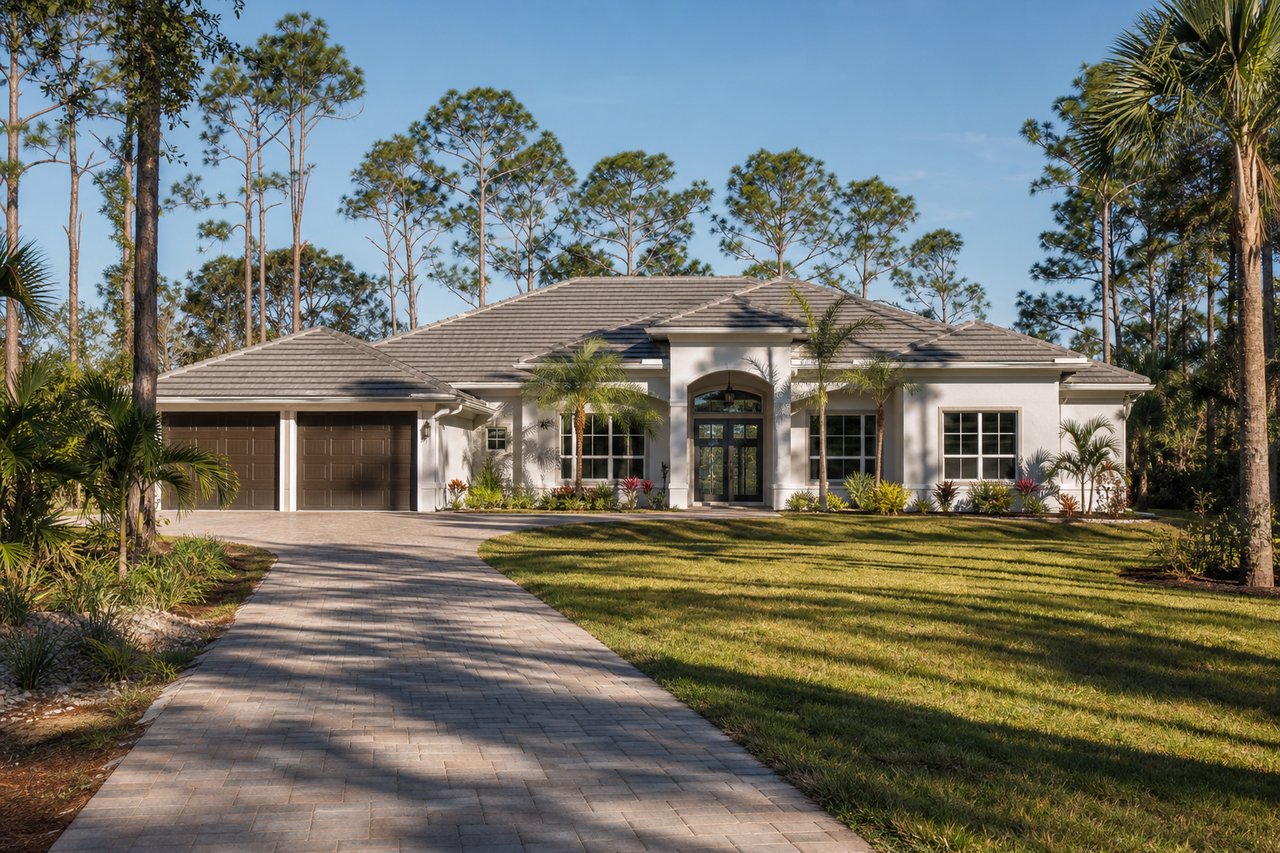
Golden Gate Estates stands out because of its larger lot pattern and low-density character. In the Estates designation, typical lots are 2.25 acres, and some legal non-conforming lots are as small as 1.14 acres. That extra space can make it easier to plan for a private suite, detached guesthouse, outdoor living area, or future addition.
The area is shaped by Collier County’s Golden Gate Area Master Plan, including rural and urban sub-elements. In practical terms, that means the parcel matters just as much as the floor plan. A property may look ideal for extended family living, but county land-use review and parcel-specific conditions still shape what can actually be approved.
Start with the one-home rule
This is the most important design reality to understand early. On most Estates parcels, density is limited to one unit per 2.25 gross acres or one unit per legal non-conforming lot of record, excluding guesthouses. Duplexes and other two-principal-dwelling setups are generally prohibited on standard Estates parcels.
For many buyers, that changes the design conversation right away. Instead of planning for two equal homes on one lot, the more code-aligned approach is usually one principal residence with accessory living space that supports long-term family use.
What often works better
The most practical multigenerational layouts in Golden Gate Estates usually look like this:
- A split-bedroom floor plan
- A private guest wing
- A suite with its own entrance and bath
- A detached cottage or guesthouse, if the parcel and zoning support it
- An addition that functions as family space within the main residence
This approach fits the county’s framework better than trying to force a duplex-style concept onto an estate lot.
Guesthouse vs. guest suite matters
In Collier County, the terminology matters more than many buyers expect. County staff clarifies that guesthouses or cottages are permissible accessory uses to a principal single-family residence and may be attached or detached. By contrast, guest quarters or guest suites are not a permitted accessory use in base residential zoning districts unless a specific planned unit development allows them.
That distinction can affect both your design and your permit path. If a living area does not meet guesthouse rules, the county may treat it as an addition to the main residence or as a separate accessory structure instead. For a multigenerational household, it is smart to think about how the space will be classified before you fall in love with a floor plan.
Lot layout can make or break the design
A large parcel does not always mean a large buildable area. In Golden Gate Estates, access easements, canal edges, drainage features, and other site conditions can change where you can place the home, guesthouse, garage, pool, or future addition.
If a parcel abuts a canal or drainage easement, it is not treated as waterfront for setback purposes. Setbacks are measured from the property line, and a 10-foot separation must still be maintained between the top of bank and principal or accessory structures. That can narrow your options more than expected.
Easements affect front yard placement too
Access easements can also shape how the parcel functions. In Golden Gate Estates, access easements created to provide street frontage for three or fewer reconfigured or replatted lots count as a front yard only for the lots on which the easement lies. That may sound technical, but it can directly affect where the front of the buildable envelope starts.
For a multigenerational design, this matters because the best location for a detached cottage, oversized garage, caregiver space, or backyard gathering area may depend on those exact lines. It is not just about acreage. It is about usable acreage.
Design for privacy and connection
The best multigenerational homes balance togetherness with independence. In Golden Gate Estates, that often means creating separate sleeping zones, private bathrooms, and flexible entrances while still keeping shared spaces comfortable and connected.
A thoughtful layout might place an older parent’s bedroom away from noisy gathering areas but still near the kitchen and main living room. A returning adult child or long-term guest may benefit from a detached or semi-private area with its own entrance. These features can make daily life smoother without making the home feel divided.
Features worth prioritizing
If you are planning for long-term family use, these features can support comfort and flexibility:
- Single-level living
- Step-free entries
- Wider interior pathways
- Bedroom and bathroom placement that supports privacy
- Easy access to outdoor space
- Storage for mobility equipment, hobbies, or visiting family needs
These are practical ideas, especially for relocating households planning ahead for different life stages.
Outdoor space is part of the floor plan
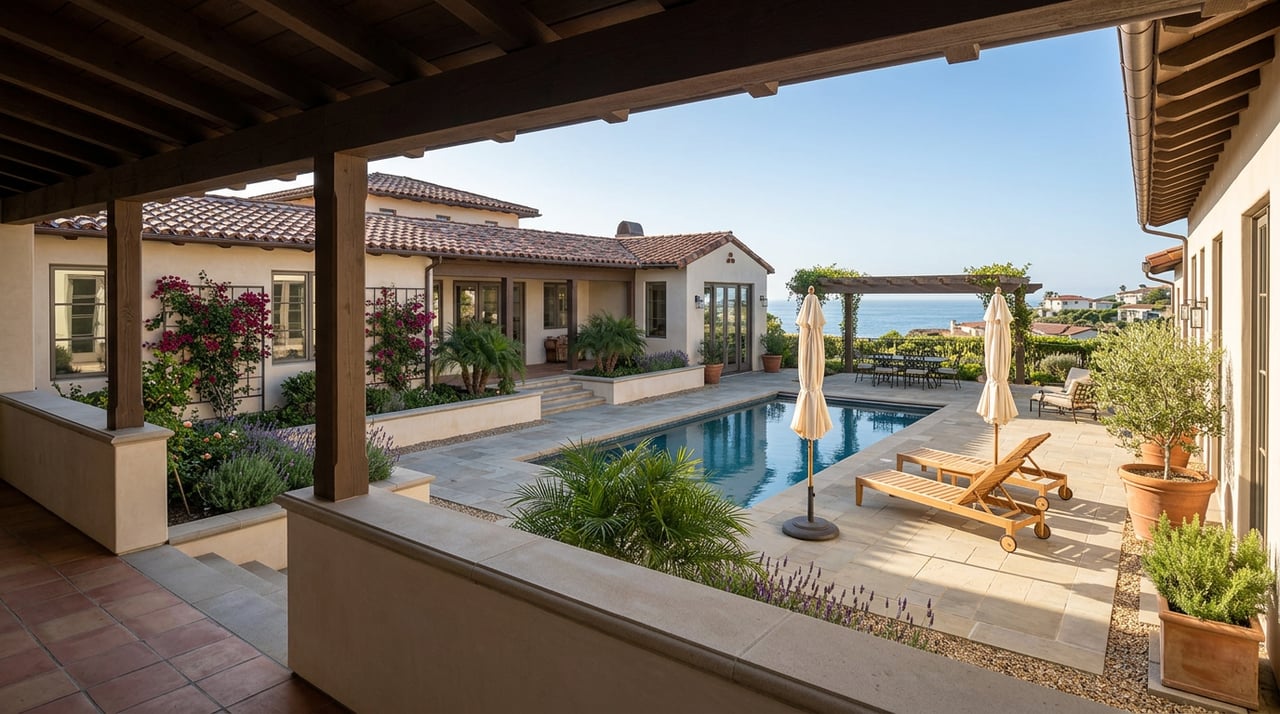
In Golden Gate Estates, the lot is part of the lifestyle. Larger parcels can support outdoor living in a way that is hard to match in denser neighborhoods. For multigenerational households, that can be a major advantage.
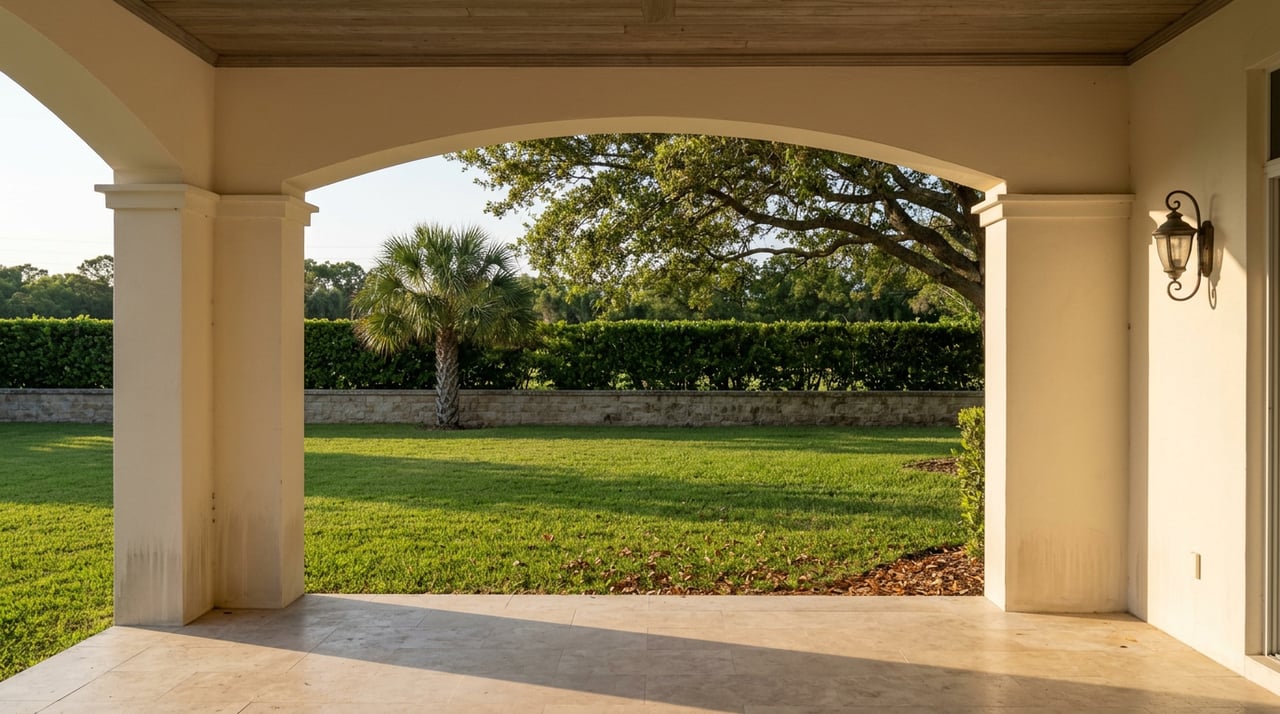
Covered lanais, screened pools, summer kitchens, detached garages, and open yard space can all support daily life for a larger household. You may want room for grandchildren to visit, pets to roam, or family gatherings that spill outdoors without feeling cramped.
The county’s rural planning goals also emphasize wooded lots, low-density development, and rural amenities. Because of that, some buyers choose to preserve shade trees and avoid clearing more of the parcel than necessary.
Plan utility and permit needs early
A multigenerational setup often involves more than just the house itself. Collier County’s permit application requirements include categories for 1 and 2 Family New Construction, additions, and guest houses, along with separate requirements for accessory structures, septic tank applications, well permits, vegetation removal, and right-of-way work such as driveway construction and utility work.
That means your project timeline may depend on several moving pieces. If you are buying vacant land or planning a major addition, it helps to think early about water, wastewater, driveway access, and site clearing, not just square footage and finishes.
A simple planning checklist
Before you commit to a parcel or design, confirm:
- Current zoning and land-use designation
- Whether the parcel supports a guesthouse or accessory structure plan
- Easements, canal edges, and drainage constraints
- Septic and well requirements
- Driveway and right-of-way needs
- Vegetation or preserve-related limitations
- Whether the design fits the current county review framework
This kind of upfront work can save time, money, and frustration later.
Keep an eye on changing local rules
Golden Gate Estates is not a static planning environment. Collier County established the Rural Golden Gate Estates Restudy Committee in December 2025 to review studies and possible amendments to the sub-element. For buyers and future builders, that means it is important to verify current rules and parcel-specific constraints before making assumptions.
Even when a land-use designation suggests a use, the county states that it indicates the types of uses for which zoning may be requested and does not guarantee approval. In other words, the property may have potential, but due diligence still matters.
Road and access improvements still matter
When you are planning for a multigenerational household, ease of access can affect day-to-day life. Collier County’s Limerock Road Conversion Program is intended to convert remaining limerock roads in Golden Gate Estates to asphalt, with roadway segments prioritized as funding allows. The county also notes grading cycles occur roughly every 12 weeks for remaining limerock roads.
The county is also advancing bridge and corridor projects in the Estates to improve connectivity, evacuation options, and emergency response times. These improvements may not change your floor plan, but they can influence convenience, travel times, and long-term usability for a household with multiple drivers and visitors.
The smartest design approach
If there is one clear takeaway, it is this: the best multigenerational home in Golden Gate Estates is usually the one that works with the parcel, not against it. The area is often well suited for one main home plus flexible accessory living space, strong indoor-outdoor flow, and a layout that gives family members privacy without complete separation.
If you are relocating, buying from out of town, or comparing several estate lots, having a local guide can make the process much easier. A property that looks perfect online may have easements, drainage issues, or design limits that only become clear during closer review.
If you are exploring Golden Gate Estates and want help finding a property that fits your family’s needs today and in the years ahead, The Heritage Home Team with Leonor Enguita, LLC can help you evaluate the lot, the layout potential, and the next steps with confidence.
FAQs
Can I build a second full home in Golden Gate Estates for family?
- Usually not on standard Estates parcels. Most are limited to one principal dwelling per 2.25 acres, while guesthouses are treated separately from density.
Can I add a detached in-law space in Golden Gate Estates?
- Possibly, if the structure qualifies as a guesthouse or cottage and the parcel’s zoning and site conditions support it.
Do easements affect multigenerational home design in Golden Gate Estates?
- Yes. Access easements, canals, and drainage easements can affect setbacks, building placement, and the overall buildable area.
What permits should I expect for a multigenerational home project in Golden Gate Estates?
- Depending on the project, you may need permits or applications related to new construction, additions, guest houses, accessory structures, septic systems, wells, vegetation removal, and driveway or utility work.
Are Golden Gate Estates rules changing for future building plans?
- Collier County is actively reviewing possible amendments through the Rural Golden Gate Estates Restudy process, so it is important to verify current rules before you buy or design.