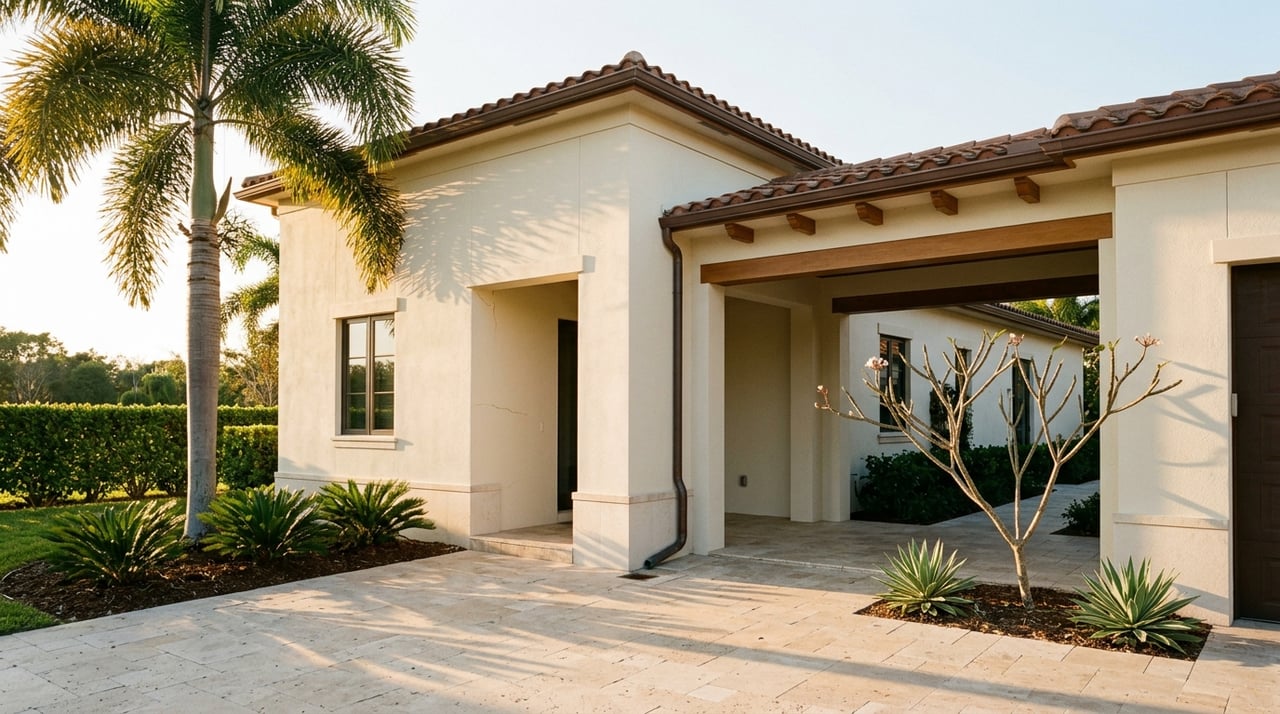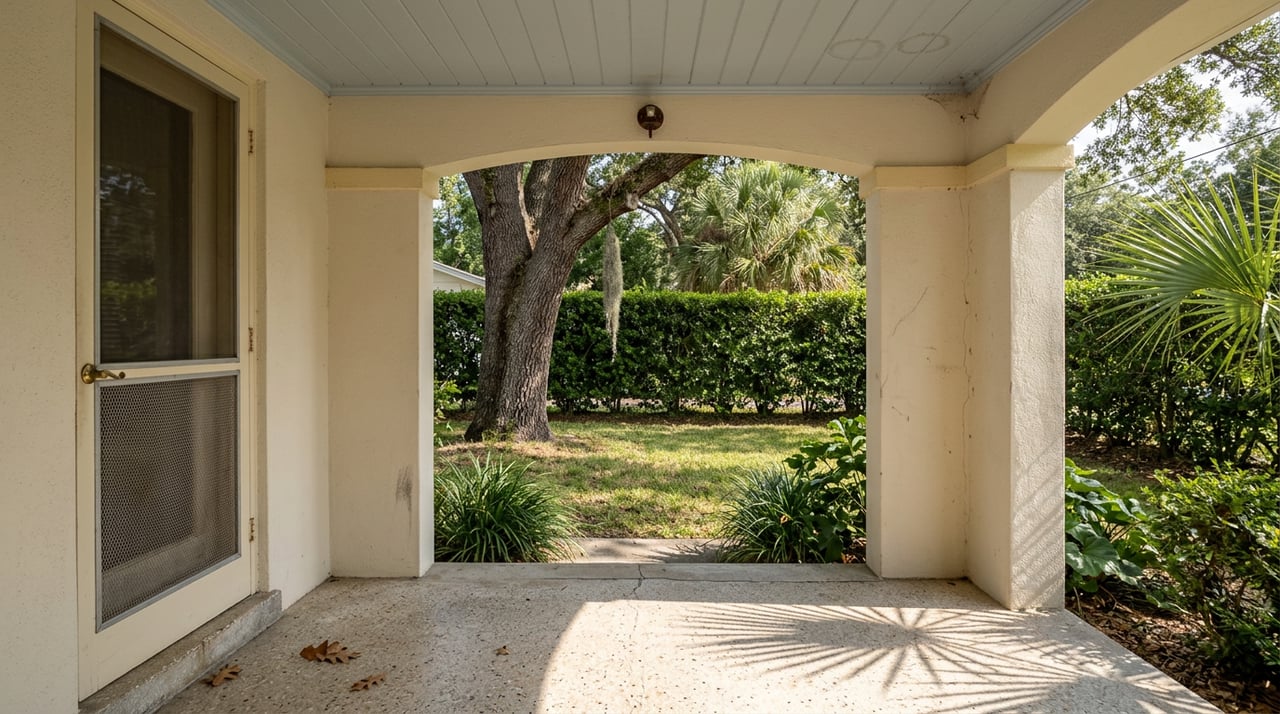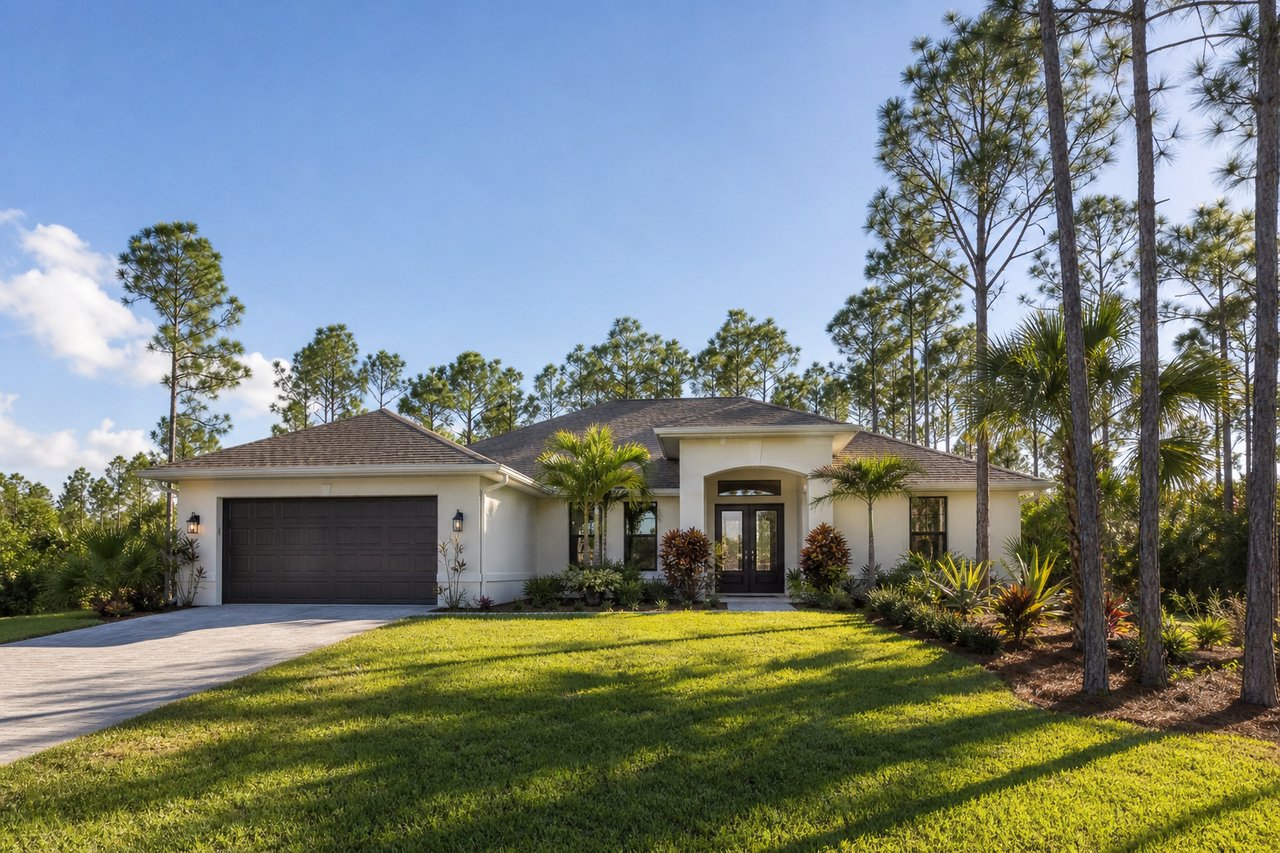
Should you sell your Southwest Florida home now or wait for the snowbird months?
Southwest Florida's seller market runs on a seasonal clock unlike almost anywhere else in the country. The strongest buyer demand arrives with seasonal residents from roughly January through March, but that doesn't automatically mean waiting is the right call. Your best listing window depends on where inventory stands right now in Collier and Lee counties, how your home is positioned, and whether you want to compete with a flood of new listings or get out ahead of them.
Here's how I walk my clients through this decision, and what the three real listing windows actually look like on the ground.
The Three Listing Windows Every Southwest Florida Seller Should Know
Most sellers think about this as a binary choice: list now or wait until January. In reality, there are three distinct windows, and each one has a different risk-reward profile.
Window 1: Late Summer and Early Fall (August through October)
You're reading this in August 2026, which puts you squarely in this window. This is not the dead zone sellers fear. Motivated buyers, including relocators and retirees who want to be settled before the holidays, are actively searching. Inventory tends to be thinner in the summer months, which means your listing faces less competition for attention.
I've seen well-priced homes in Golden Gate Estates and Estero move in August and September precisely because there were fewer competing listings pulling buyers in every direction. The buyers who are looking right now are serious. They're not window-shopping.
The trade-off is that showing volume is lower than it will be in January. If your home needs a wider buyer pool to find the right match, or if it's a higher price point that appeals specifically to seasonal buyers, you may not see the same urgency you'd get in peak season.
For more on how summer timing plays out specifically in Naples, I've covered this in detail in Naples Summer 2026: The Season Locals Used To Skip Is The One To Show Up For.
Window 2: The October Relaunch (October through December)
October is when the market starts to wake up. Seasonal residents begin returning to Naples, Fort Myers, and Cape Coral. New listings spike. If you've been sitting on a summer listing that didn't move, a price adjustment and fresh marketing in October can feel like a reset.
The risk here is that you're entering the market at the same time as a lot of other sellers who had the same idea. Inventory builds fast in the fall, and buyers who arrive in October know they have options. Positioning and pricing have to be sharp.
If you're planning an October relaunch, the preparation work starts now. That means addressing any deferred maintenance, completing your seller disclosure documentationand having your home market-ready before the seasonal crowd arrives.
Window 3: The January–March Peak (The Snowbird Window)
This is the window most Southwest Florida sellers have in mind when they say they want to "wait." According to the National Association of Realtorsseasonal markets like Southwest Florida see their strongest buyer urgency when seasonal residents are in residence and actively making purchase decisions. January through March historically delivers the highest showing traffic, the most competitive offers, and the fastest days on market for well-positioned listings.
But there's a catch: every other seller in Naples, Fort Myers, and Cape Coral knows this too. Inventory peaks in this window. Buyers have more choices, which gives them more leverage. A home that would have stood out in October is competing against a much larger field in February.
The January–March window rewards homes that are priced correctly from day one and presented well. It punishes overpricing, because buyers who are here for three months don't have time to wait out a stubborn seller.
I also want to be direct about something: the snowbird window is not a magic price booster. I've watched sellers wait until February expecting a bidding war and end up sitting on the market because they over-improved for the neighborhood or came in above what the comparable sales supported. More buyers in the market doesn't mean you can ignore what the comps say.
What the Data Actually Shows (and What to Watch)
The research notes I rely on are honest about one thing: there is no single verified 2026 monthly report I can cite with a live number for Collier and Lee counties as of today. What I can tell you is what to watch and where to find it.
The metrics that matter for your timing decision are active inventory, median days on market, new listings, closed sales, and months' supply for Collier County and Lee County. The Florida Realtors association publishes monthly market reports by county that track exactly these figures. The NAR research and statistics page provides national context. And the U.S. Census Bureau's American Community Survey gives longer-term migration and demographic trends that explain why Southwest Florida's seasonal pattern is so durable.
WINDOW | TYPICAL BUYER VOLUME | INVENTORY COMPETITION | BEST FIT FOR |
|---|---|---|---|
Late Summer / Early Fall (Aug–Oct) | Moderate | Lower (fewer competing listings) | Motivated sellers, move-in-ready homes, relocator buyers |
October Relaunch (Oct–Dec) | Building | Rising quickly | Sellers who need prep time; sharp pricing required |
Snowbird Peak (Jan–Mar) | Highest | Highest (most new listings enter) | Homes with strong seasonal appeal; priced precisely to comps |
Your specific advantage in each window depends on what's actually happening in your neighborhood right now. A community like Fort Myers can behave differently from Pelican Preserve or Isles of Collier Preserve in the same month, depending on what's under contract and what just expired.
This is exactly the kind of question I walk my clients through before we ever set a list price or pick a go-live date. The only way to know your real window is to look at the current absorption rate for your specific property type in your specific neighborhood.
What Else Affects Your Timing Decision
Beyond seasonality, a few other factors can shift the calculus:
- Your home's condition. If you have deferred maintenance, roof work, or HVAC issues, the time to address them is before you list, not after a buyer flags them in inspection. Sellers in Florida are expected to disclose known material defects under Florida case law, including prior water intrusion, leaks, repairs, and anything that could affect value and isn't readily observable. Getting ahead of that now gives you more control.
- Flood zone status. Homes in flood-prone areas in Southwest Florida require additional buyer due diligence, and buyers using financing will be scrutinizing insurance costs carefully. If your property carries flood risk, factor that into your timing and pricing strategy. Verify current flood map status with FEMA's Flood Map Service Center and confirm disclosure requirements with your closing officer.
- HOA restrictions. If your home is in a community with HOA rules, rental restrictions, or pending assessments, those need to be disclosed. Buyers in communities like Pelican Preserve will ask about this, and surprises at contract kill deals.
- Age of the home. If your home was built before 1978, federal law requires a lead-based paint disclosure as part of the transaction. This applies regardless of which listing window you choose, but it's worth having the required pamphlet and acknowledgment materials ready before you go to contract.
- Your next move. If you're selling to buy elsewhere in Southwest Florida, the same seasonal inventory dynamics apply to you as a buyer. Waiting for the peak seller window can put you into the peak buyer competition simultaneously.
Every situation is different, and the only way to know your real answer is to run the numbers with someone who knows this market at the neighborhood level.
Frequently Asked Questions
Is January or February the best time to list a home in Naples?
January and February are historically the highest-traffic months for buyer activity in Naples, driven by seasonal residents who are in market and motivated to close before they return north. That said, inventory also peaks in this window, so you're competing with more sellers. A well-priced, well-presented home will perform strongly in January or February, but the same home priced above comparable sales will sit, regardless of the season.
Should I sell my Cape Coral house before snowbird season starts?
Listing before snowbird season, meaning September or October, can work in your favor if you want less competition and a clean run at buyers who are arriving early. Cape Coral's market has its own inventory dynamics separate from Naples, and the right answer depends on what's currently active in your price range and property type. I'd pull the current absorption data before committing to a timing strategy.
What happens if I list in August or September in Southwest Florida?
You'll face lower showing volume than in January, but you'll also face fewer competing listings. The buyers who are actively searching in August and September are motivated, often relocators or retirees with a firm move-in timeline. A move-in-ready home priced correctly can absolutely sell in August or September. The risk is a longer days-on-market count if your home needs to reach a larger buyer pool.
Do I have to fill out a Seller's Property Disclosure in Florida?
Florida does not mandate a single statutory disclosure form, but sellers can be held liable for known material facts that affect value and are not readily observable, under Florida case law. In practice, the Seller's Property Disclosure is the standard document used in Florida residential transactions to document known issues and protect both parties. You should complete it based on your actual knowledge of the property's condition, including prior water intrusion, roof work, HVAC issues, permits, and insurance claims. Confirm the specifics with your real estate attorney or closing officer.
What must I disclose about flooding, leaks, roof work, or HOA issues in Florida?
Florida sellers are expected to disclose any known condition that materially affects the property's value and is not readily observable by the buyer. That includes prior flood or water intrusion events, roof repairs or active leaks, HVAC work, permitted and unpermitted improvements, and HOA restrictions, pending assessments, or special fees. For flood-specific due diligence, buyers and sellers should verify the property's flood zone status through FEMA's Flood Map Service Center and confirm any additional notice requirements with their closing officer and insurer. All information should be independently verified.
The Bottom Line
There's no single "right" season to sell in Southwest Florida. There's the right season for your home, your timeline, and what inventory is actually doing in your neighborhood right now. I was born and raised here, and I've watched this market through enough cycles to know that waiting for January isn't always the winning move, and listing in August isn't always the losing one.
If you want to look at the current numbers for your specific neighborhood in Naples, Fort Myers, Golden Gate Estates, Pelican Preserve, Isles of Collier Preserve, or Estero, and figure out which window actually makes sense for you, let's talk. Schedule a consultation here and I'll walk you through a market analysis before you make any decisions.
Equal Housing Opportunity. Leonor Enguita is licensed under the Florida Real Estate Commission. This article is general information only and is not legal, tax, or financial advice. All information is deemed reliable but not guaranteed and should be independently reviewed and verified. Confirm your own costs, disclosures, and transaction details with your attorney, tax advisor, lender, or closing officer. Broker fees and commissions are fully negotiable and not set by law.