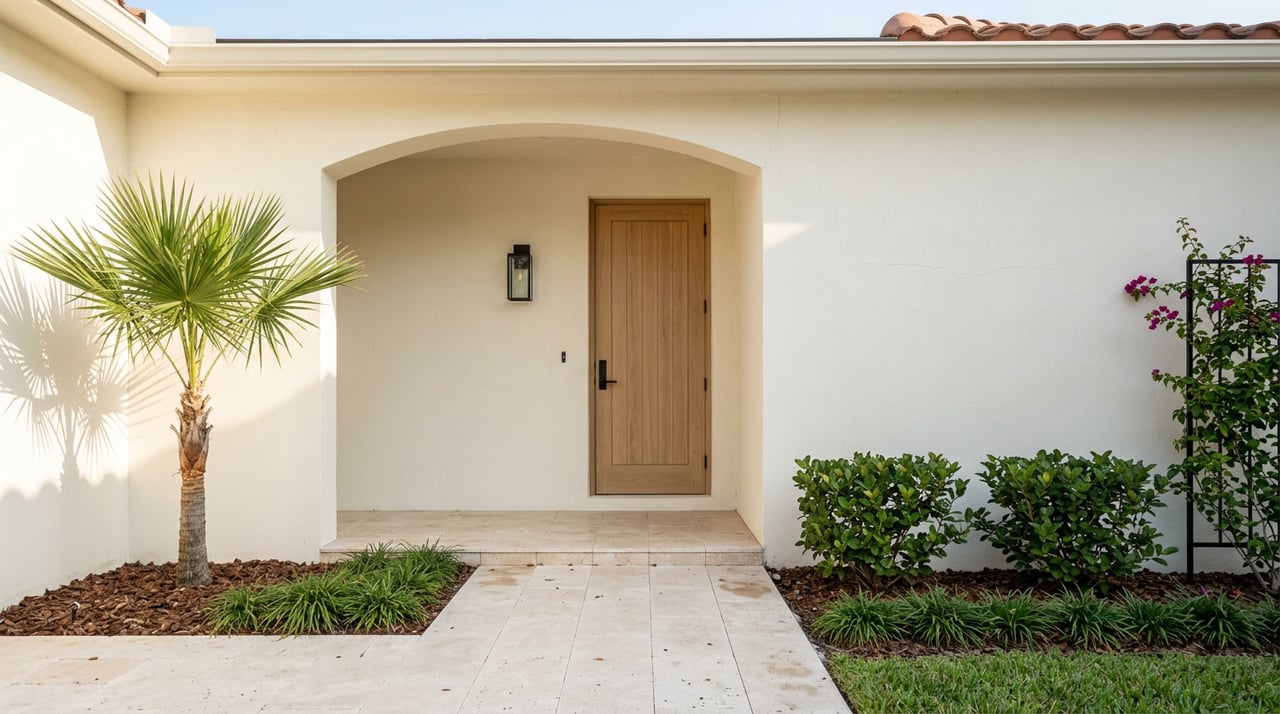
Buying your first home in Fort Myers can feel exciting and a little overwhelming at the same time. You want a clear path, trusted local guidance, and no surprises with inspections, insurance, or HOA rules. In this guide, you’ll learn exactly how to move from pre‑approval to closing, what to expect in Lee County, and which programs can help with your down payment. Let’s dive in.
Fort Myers market at a glance
Recent market reports show typical Fort Myers values in the low 300s and Lee County medians in the high 300s in early 2026. Inventory is higher than the tight pandemic years, and days on market have lengthened compared with 2021–2022. In many price bands, that means you may have more room to negotiate than before. Conditions still vary by neighborhood and property type, so plan your strategy by budget and location.
- Starter homes and many condos under about $300k–$350k can draw steady interest. Well‑priced listings still move quickly.
- The broad $300k–$600k range offers the most choice. Homes in strong condition usually earn the most attention.
- Luxury patterns above $900k can differ and shift by submarket. Review current data before you write an offer.
Your step‑by‑step roadmap
1) Get pre‑approved
A full pre‑approval clarifies your budget and strengthens your offer. Rate locks often run 30–60 days once you are under contract, so discuss timing with your loan officer.
Have these documents ready:
- Last 30 days of pay stubs and last 2 years of W‑2s or 1099s
- Last 2 years of federal tax returns
- Two to three months of bank statements and proof of funds for down payment
- Government‑issued ID and Social Security number
- Employment history and landlord info if applicable
2) Search with a local buyer’s agent
Walk neighborhoods, compare HOA or condo fees, and understand drive times, flood zones, and insurance costs early. If you are relocating or shopping from out of state, ask for live video tours and on‑the‑ground insights to keep your search efficient.
3) Make a strong, clear offer
Your offer should spell out price, deposits, inspection period, financing contingency, and what stays with the home. Earnest money is typically due soon after acceptance. A clean, well‑documented offer helps you stand out, especially in the most sought‑after listings.
4) Use Florida’s inspection period wisely
Florida’s widely used residential contracts include an inspection period by default. If the blank is not filled in, a 15‑day window is common. In this period, you can order a general home inspection plus specialized checks like roof, pool, sewer/septic, and a 4‑point for insurance on older homes. VA and some lenders may also require a termite/wood‑destroying organism report; see the VA’s guidance on appraisal and property requirements for context at the Home Loans Circulars page. You can find it by visiting the VA’s resource center at VA Home Loans resources.
If something material comes up, you can often negotiate repairs or credits. Your exact rights depend on the contract form you and the seller sign.
5) Appraisal and lender underwriting
Your lender orders the appraisal to confirm value and assess basic condition. Underwriting runs in parallel. Quick responses to lender requests help you avoid delays. By law, lenders must deliver your Closing Disclosure at least three business days before closing so you can review final costs and compare them with your Loan Estimate. Learn more from the Consumer Financial Protection Bureau’s explanation of the three‑day rule.
6) Insurance quotes and flood checks
In coastal Southwest Florida, insurance can be a major line item. Request homeowner, wind, and flood quotes early. If the property is in a FEMA Special Flood Hazard Area and your loan is federally backed, flood insurance is required. Use Lee County’s resources to verify zones and elevation information at the county’s flood insurance and maps page. Also ask the seller for a current wind‑mitigation report or order one yourself. The state’s My Safe Florida Home program can help homeowners identify upgrades that may reduce premiums.
7) HOA and condo documents
If the property is in an HOA or condo, you will receive disclosure documents to review. Your closing team will request an estoppel certificate that confirms fees and account status. Florida law sets timeframes and validity periods for these certificates, which can affect timing and cost if delayed. See the statute overview on Florida HOA estoppel certificates.
For condos, review budgets, reserves, and any structural inspection summaries. Florida requires milestone inspections and reserve disclosures for certain buildings, and missing documents can give buyers cancellation rights in some cases. Learn more about milestone inspection requirements from this condominium inspection overview.
8) Closing day in Lee County
Florida closings are handled by title companies or licensed closing agents. You will wire funds per the title company’s instructions, sign your documents, and receive keys after recording. In Lee County, it is common for sellers to pay for the owner’s title insurance policy, while buyers pay for lender’s title insurance, but this is negotiable and must be set in your contract. See local closing norms with this title and closing overview.
Most financed purchases close in about 30–45 days, depending on condo documents, underwriting, flood or insurance items, and association approvals.
Fort Myers‑specific inspections and risk checks
Flood risk and affordability
Even if a property is not in a mapped high‑risk flood zone, you may want a quote to understand risk and cost. Flood insurance rates depend on factors like elevation, distance to water, and building features. Verify flood zones and mapping early using Lee County’s flood resources.
Wind mitigation and premium savings
Wind policies in Florida often have separate hurricane deductibles. A wind‑mitigation inspection may qualify you for credits if the roof, coverings, or tie‑downs meet certain standards. The state program at My Safe Florida Home provides free inspections for eligible homeowners and has offered matching grants in select funding windows. Industry updates to wind‑mitigation forms can affect how credits are documented; see this 2026 update explainer on wind‑mitigation reporting changes.
Termite and WDO checks
Wood‑destroying organisms are common in Florida’s climate. Many buyers order WDO inspections as part of due diligence. VA loans and some appraisers may require WDO clearance when evidence suggests a risk. You can find general VA loan guidance at the VA Home Loans resources page.
HOA, condo, and title items that affect timing
- Estoppel certificates: Associations must issue estoppels within set timeframes once properly requested. Delays can add fees or push closing. Review the statute summary for estoppel timing and validity.
- Condo milestone and reserves: Ask for the latest milestone inspection summary, reserve study, and any recent special assessments. Start this review as soon as your offer is accepted. See this milestone inspection overview for context.
- Title and who pays: In Lee County, sellers often pay for the owner’s title policy by custom, but this is a negotiable term. Confirm the allocation in your initial offer. A local title company can explain options; here’s a general title and closing overview.
First‑time buyer financing options
Many first‑time buyers qualify for low‑down‑payment loans. Program rules and income or purchase price limits change, so confirm details with your lender.
| Program | Typical minimum down |
|---|---|
| FHA | About 3.5% for qualifying borrowers |
| Conventional (first‑time buyer options) | About 3% for qualified borrowers |
| VA (eligible veterans/service members) | Often 0% down for those who qualify |
| USDA (in eligible areas) | Often 0% down in USDA‑eligible zones |
Florida Housing down‑payment assistance
Florida Housing has offered down‑payment and closing‑cost help through programs like Florida Assist and Hometown Heroes. These have included zero‑interest or deferred second mortgages and, at times, forgivable options. Funding levels, income caps, and purchase price limits can change quickly. Start with Florida Housing’s resource hub and updates in their press releases, then confirm current availability with your lender.
- Ask your lender or local housing finance agency about:
- Florida Assist
- Hometown Heroes
- County SHIP or local HFA programs
Insurance savings that help your budget
The My Safe Florida Home program provides free wind‑mitigation inspections and has offered matching grants in select periods. Upgrades like roof‑to‑wall connections or impact protection can lower premiums. Availability is limited and prioritized, so check the portal early and plan your improvements after closing.
What your cash to close might look like
For financed buyers, typical closing costs run about 2% to 5% of the purchase price. Your total varies by loan type and any negotiated credits. Common items include the appraisal, lender fees, lender’s title policy, recording fees, inspection costs, prepaid insurance, escrows, prorated taxes, and HOA estoppel fees if applicable. Sellers usually pay brokerage commissions and, by Lee County custom, may pay the owner’s title policy. All terms are negotiable and must appear in your contract and on your Closing Disclosure.
Your lender must send your Closing Disclosure at least three business days before closing. Use that time to ask questions and compare to your original Loan Estimate. The CFPB’s three‑day rule guide explains what to review and why the timing matters.
Pro tips for Fort Myers first‑time buyers
- Price the total monthly: mortgage, taxes, HOA or condo dues, plus wind and flood insurance.
- Verify flood zone and get insurance quotes before the inspection window ends.
- Order a wind‑mitigation inspection or ask for the seller’s report to estimate premiums.
- Budget for WDO and, if needed, quick re‑inspections to keep closing on track.
- If buying in an HOA or condo, request documents right away and review budgets and reserves.
- Ask your agent about negotiating seller credits for closing costs, especially if days on market are higher.
Work with a local guide who has your back
Buying your first home should feel exciting, not stressful. You deserve a clear plan, fast answers, and a hands‑on partner who can coordinate inspections, video tours for remote shoppers, and smooth escrow logistics. Our team provides bilingual support (English/Español) and proven local guidance across Lee County, from single‑family homes to condos and lifestyle communities.
If you are ready to get pre‑approved, tour homes, or talk through insurance and HOA timelines, let’s connect. Reach out to The Heritage Home Team to book a free relocation consultation and start your Fort Myers home search with confidence.
FAQs
How much down payment do I need to buy in Fort Myers?
- Many first‑time buyers use FHA at about 3.5% down or conventional first‑time buyer options at about 3% down, while eligible VA or USDA borrowers may have 0% down options; confirm current program rules with your lender.
Do I need flood insurance for a Fort Myers home near the river or coast?
- If the property is in a FEMA Special Flood Hazard Area and your loan is federally backed, lenders require flood insurance; verify zones using Lee County’s flood resources and get quotes early.
How long does a financed home purchase take in Lee County?
- Most financed purchases close in about 30–45 days, depending on appraisal, underwriting, HOA or condo document timing, and any flood or insurance items that arise.
Who typically pays title insurance in Lee County, Florida?
- It is common for sellers to pay the owner’s title insurance policy while buyers pay the lender’s policy, but this is negotiable and must be written into the contract; see a local closing overview for context.
What inspections should a first‑time buyer order in Fort Myers?
- Start with a general home inspection, then add specialized checks as needed: roof, pool, sewer or septic, 4‑point for insurance on older homes, wind‑mitigation, and a termite/WDO inspection where appropriate; use your inspection period to complete these and negotiate if needed.