If you are thinking about buying a home in Bonita Springs and using it as a seasonal rental, you are asking the right question at the right time. Not every property here works the same way, and strong rental potential depends on more than just being near the water. When you understand local demand, seasonality, and community rules, you can make a smarter purchase with fewer surprises. Let’s dive in.
Why Bonita Springs draws seasonal renters
Bonita Springs benefits from being part of a larger visitor-driven market in Lee County. According to the 2024 Lee County visitor tracking report, the county welcomed 3.20 million visitors who generated $3.11 billion in visitor spending and 4.41 million room nights. That scale matters because it shows a steady tourism base that helps support short-term and seasonal lodging demand.
The same report also shows that visitors come for reasons that line up closely with Bonita Springs lifestyle appeal. Warm weather, a peaceful setting, and beach access ranked among the top travel motivators. For buyers considering rental use, that is a helpful sign that demand is tied to the exact features many Bonita Springs homes and condos can offer.
Bonita Springs lifestyle supports demand
Bonita Springs is not just a pass-through market. Visit Fort Myers describes Bonita Springs and Estero as small-town communities with strong recreational and commercial appeal, and local attractions include Bonita Beach Park, Dog Beach, Wonder Gardens, Riverside Park, downtown dining, live music, and golf.
That mix can make the area attractive to winter visitors looking for a relaxed coastal stay. Properties with access to beaches, recreation, dining, and practical day-to-day conveniences tend to match what many seasonal travelers are already seeking.
Winter is the key rental season
One of the clearest takeaways from the research is that Bonita Springs seasonal rental potential is strongest in winter and early spring. Countywide vacation-rental occupancy reached 79.1% in February 2025, compared with 46.5% in January 2025, 39.4% in April 2025, and 25.0% in November 2025, according to the Lee County tourism recap.
That pattern matters if you are building a budget or comparing properties. A home that performs well during peak season may still have much softer demand in fall and parts of summer. In other words, it is smart to evaluate a property based on realistic seasonal income, not just peak-month potential.
Travel access helps the market
Air travel is another reason this market has a strong seasonal-rental story. The visitor report found that 69% of visitors flew to the Fort Myers area, and 56% used RSW. The same research also notes that Airbnb and Vrbo are already part of the area’s booking mix, which suggests vacation rentals are a recognized part of the local lodging ecosystem rather than a fringe option.
Airport traffic stayed high during peak travel months as well. The county recap reported 1,108,190 passengers in January 2025 and 1,173,638 in February 2025 at Southwest Florida International Airport. For you as a buyer, that supports the idea that winter demand is backed by both visitor interest and transportation access.
What types of homes fit best
In Bonita Springs, the strongest seasonal-rental candidates usually share a few practical features. Based on the local visitor profile and area attractions, buyers often focus on properties with:
- Beach access or close coastal access
- Straightforward routes to the airport
- Easy parking
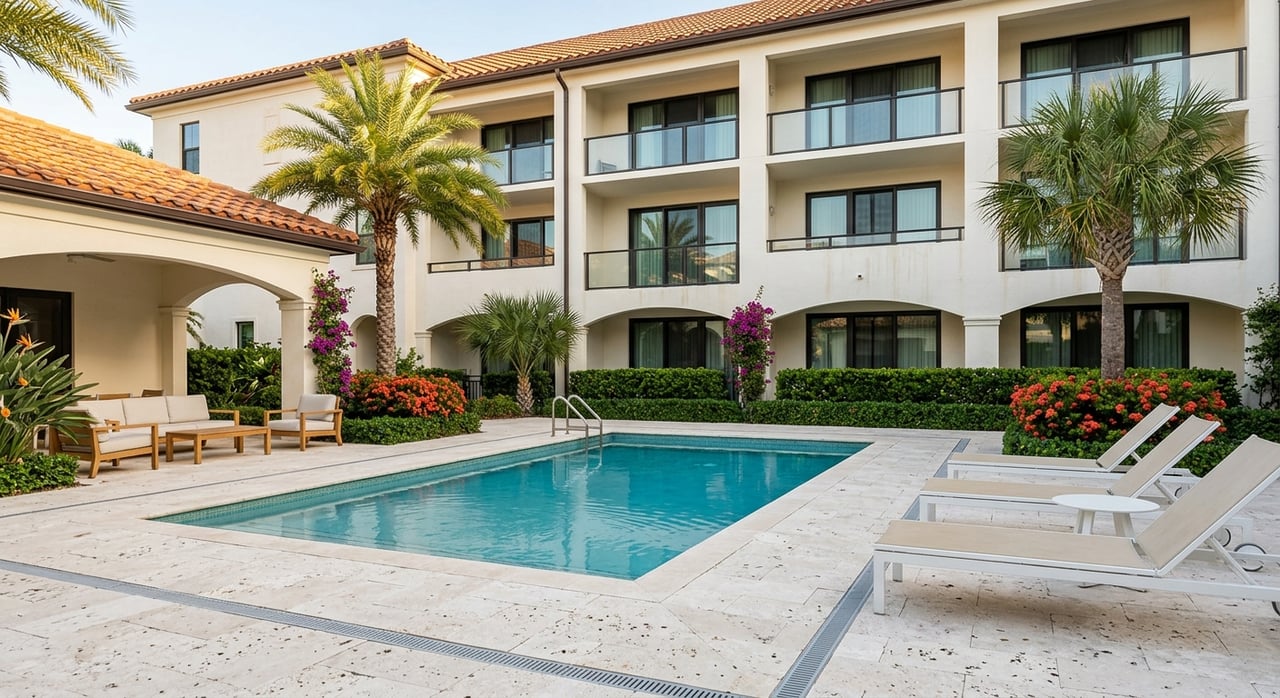
- Pool access or resort-style amenities
- Proximity to dining, recreation, golf, or downtown activities
These features line up with the reasons people travel to the area in the first place. If you are comparing two similar homes, the one with easier guest logistics and better amenity access may have a stronger seasonal-rental profile.
Condos and homes can perform differently
A condo and a single-family home may look similar on paper but operate very differently as rentals. For condos, the big issue is often association rules. For single-family homes, the bigger concerns may be permitting, maintenance, insurance, and how hands-on ownership will need to be.
This is where many buyers can get tripped up. The market may support seasonal rentals broadly, but the real question is whether a specific property is allowed, practical, and cost-effective for your intended use.
Check rules before you buy
This is one of the most important steps in Bonita Springs. A property can sit in a strong rental market and still be a poor seasonal-rental choice if the local rules, condo documents, or HOA restrictions do not fit your plan.
Florida law says certain rentals under 30 days and repeated short stays may require a vacation-rental license through the state. The Florida statute on vacation rentals explains that an entire unit rented more than three times in a calendar year for periods under 30 days, or held out as regularly rented, can trigger licensing requirements.
Within Bonita Springs city limits, the city states that most non-owner-occupied single-family, duplex, and multi-family rentals require a rental permit before occupancy. The fee is $100 per unit, the permit term is three years, and an inspection is required for minimum housing standards. The city also notes that complexes with six or more units under a state-recognized association are exempt from that city permit.
Taxes affect the math
If you are estimating income, taxes need to be part of the conversation from the start. In Lee County, the tourist development tax is 5% on accommodations rented for six months or less. That is collected in addition to the 6% Florida sales tax and any applicable discretionary surtax.
The county clerk also notes that platforms like Airbnb or Vrbo may collect and remit tourist tax on behalf of owners, but the owner remains responsible if taxes are not properly remitted. That means you should never assume a booking platform handles every compliance detail automatically.
HOA and condo documents matter
In many Bonita Springs communities, the documents matter as much as the location. Florida condo and HOA laws allow restrictions that can directly affect lease length, rental frequency, and approval requirements. The Lee County clerk’s tourist-tax guidance specifically tells owners to confirm legality with the city, HOA, condo association, or other local authority because tax collection and rental legality are not the same thing.
That distinction is important. A property may be taxable as a short-term rental, but that does not automatically mean the community allows it. Before you buy, you want clear answers on lease minimums, caps, approval timelines, and how many times per year a property can be rented.
Seasonality creates both upside and risk
Bonita Springs has real seasonal-rental potential, but it also has a very clear seasonal pattern. Winter and early spring tend to be the most valuable months, while fall is softer. Tourist-tax collections reflect that trend, with Lee County reporting $5.46 million in January 2025, $6.13 million in February 2025, and $8.43 million in March 2025.
There are also seasonal risks to keep in mind. NOAA reports that Atlantic hurricane season runs from June 1 through November 30, with a peak around September 10. The same source notes that Southwest Florida red tide patterns often affect October and November most often, which is relevant for beach-adjacent properties and off-season planning.
How to evaluate a property wisely
If you are buying with seasonal-rental use in mind, a simple checklist can help you stay focused:
- Confirm the community rules for lease length, rental frequency, and approvals.
- Verify city permit requirements if the property is within Bonita Springs city limits.
- Review state licensing rules for your intended rental schedule.
- Estimate income by season, not by peak month alone.
- Factor in taxes, insurance, and maintenance before projecting returns.
- Think about guest convenience, including parking, access, and nearby attractions.
This kind of review is especially useful if you are relocating or buying from out of state. A property can look great online, but the real value is in understanding how it works in practice.
Why local guidance matters
Seasonal rental potential in Bonita Springs is real, but it is highly property-specific. Two homes in the same area can have very different outcomes if one has flexible rental rules and the other has strict lease limits or added approval steps. That is why broad market demand should be your starting point, not your only decision factor.
If you want help comparing condos, reviewing community restrictions, or narrowing your search to properties that better fit your goals, The Heritage Home Team can help you move forward with a clearer plan. Whether you are local or buying from a distance, having the right guidance can save you time, reduce risk, and help you choose with more confidence.
FAQs
What makes Bonita Springs homes attractive for seasonal rentals?
- Bonita Springs benefits from Lee County’s strong visitor base, warm-weather appeal, beach access, airport connectivity, and popular recreation and dining options.
What is the strongest season for Bonita Springs seasonal rentals?
- Winter and early spring are typically the strongest periods, with county vacation-rental occupancy peaking much higher in February than in fall months.
What taxes apply to short-term rentals in Lee County?
- Rentals of six months or less are subject to a 5% Lee County tourist development tax in addition to the 6% Florida sales tax and any applicable discretionary surtax.
What permit may a Bonita Springs rental property need?
- Within Bonita Springs city limits, most non-owner-occupied single-family, duplex, and multi-family rentals require a city rental permit before occupancy, unless a stated exemption applies.
What should buyers check before buying a Bonita Springs condo for rental use?
- You should review condo or HOA documents carefully for lease minimums, rental caps, approval requirements, and any restrictions on rental frequency.
What risks should buyers consider with Bonita Springs seasonal rentals?
- Buyers should plan for slower off-season demand and consider weather-related risks such as hurricane season and potential red tide impacts during parts of the year.