Do you want to enjoy Bonita Springs without worrying about yard work, roof repairs, or surprise contractor calls while you are away? If you are a seasonal owner or retiree, a true lock-and-leave home can give you that freedom. In this guide, you will learn what “lock-and-leave” really means here, the checklist to evaluate any community, the Florida rules and insurance basics that matter, and how to vet associations with confidence. Let’s dive in.
What lock-and-leave means in Bonita Springs
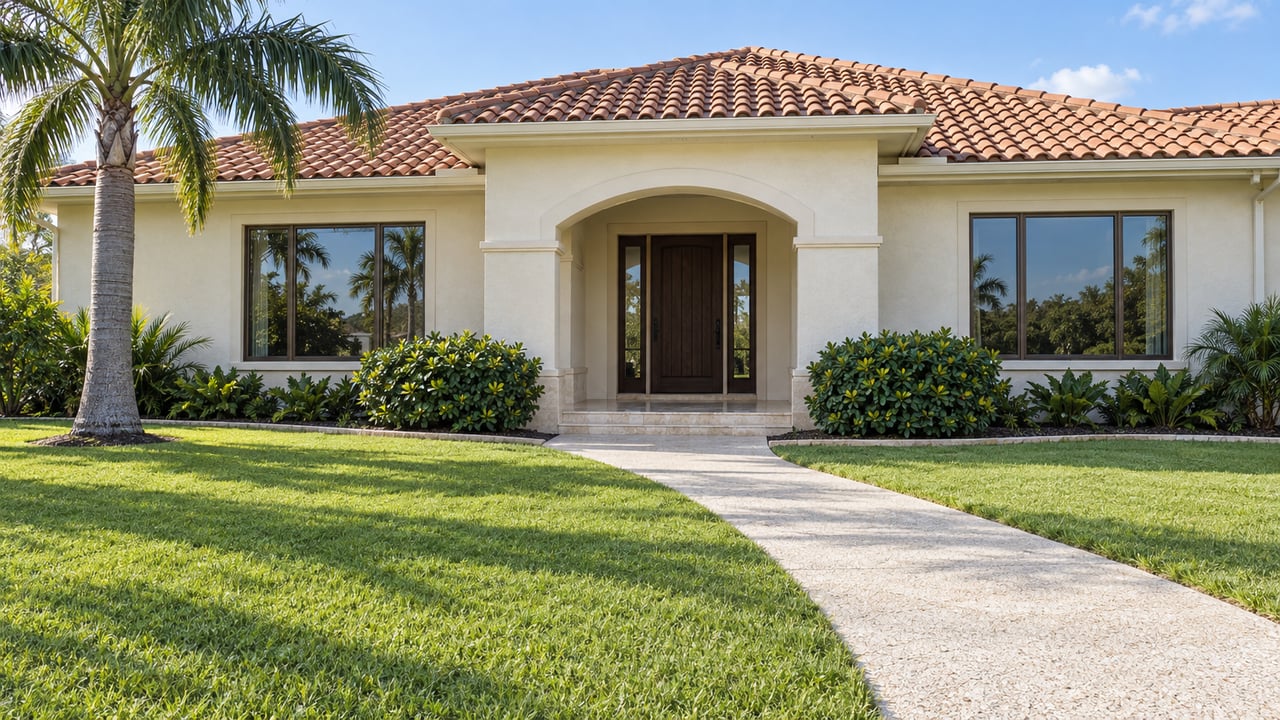
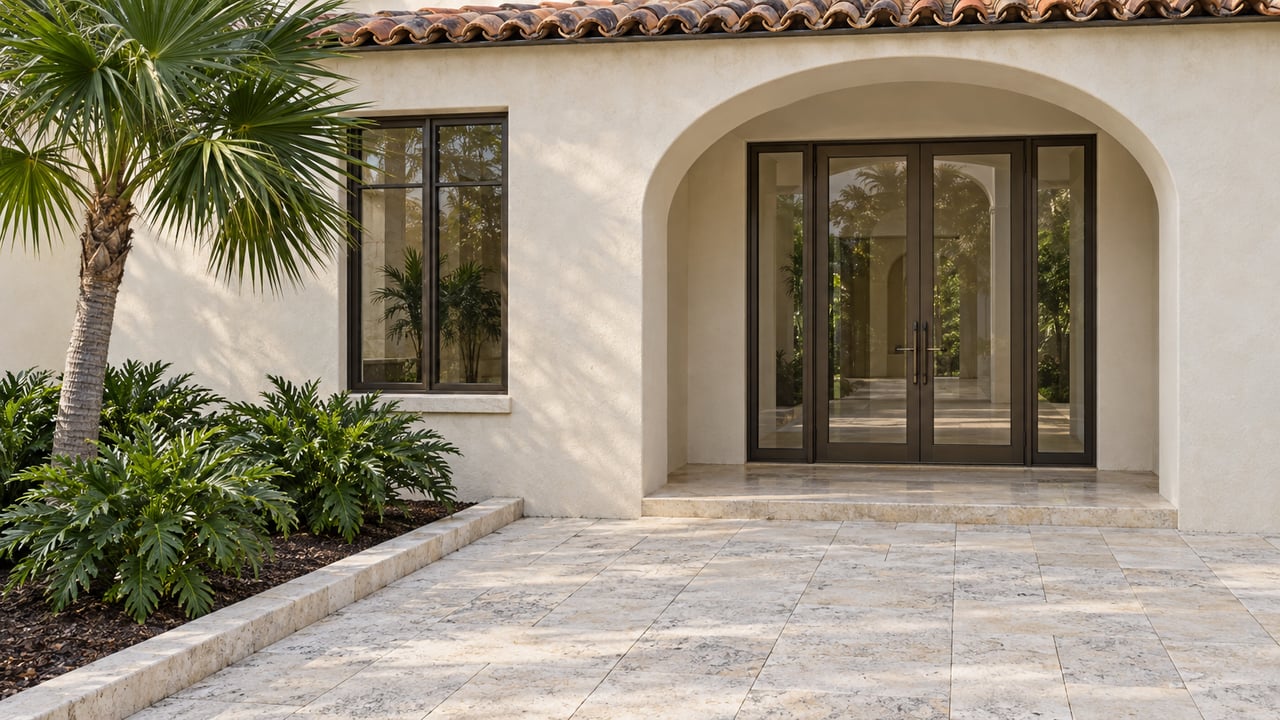
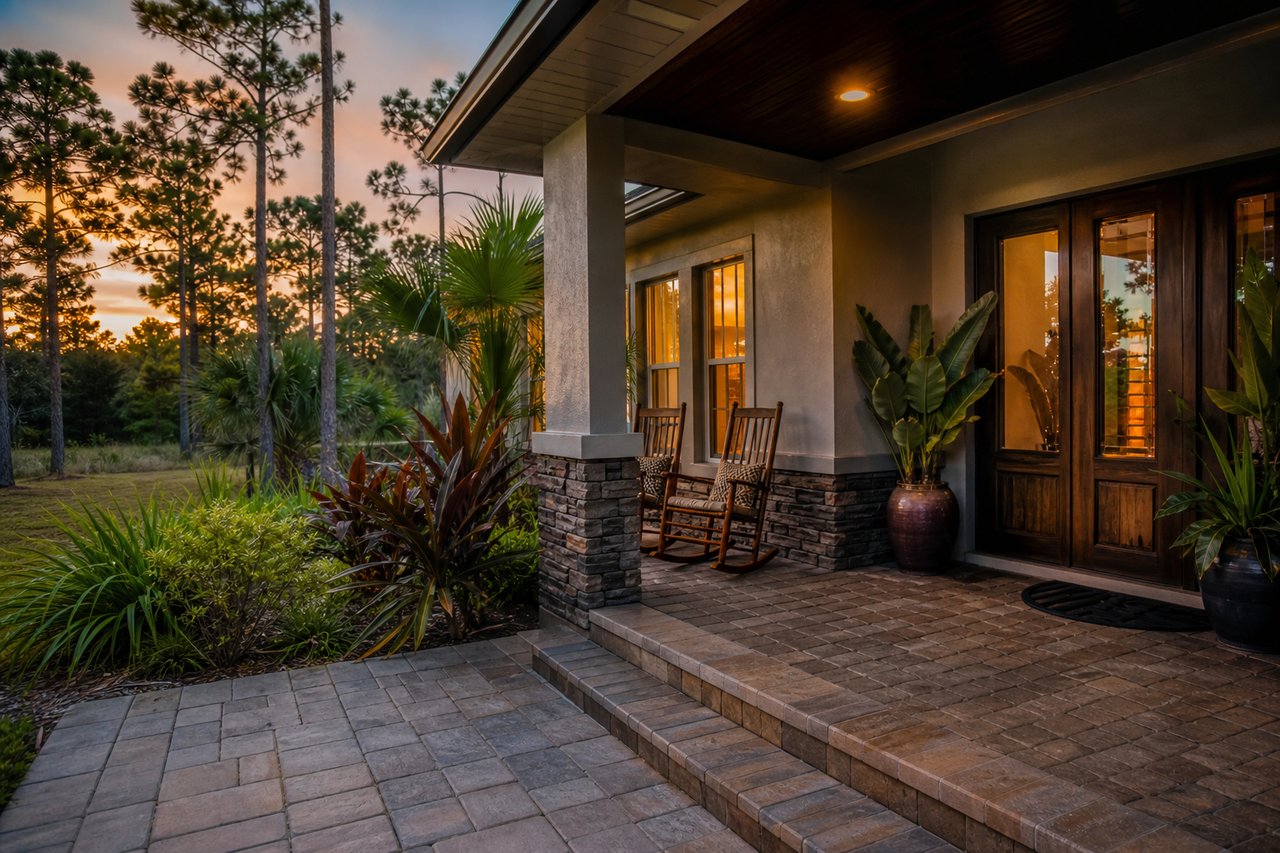
A lock-and-leave home is one where the association or contracted vendors handle exterior maintenance, landscaping, and building systems so you can be away for weeks or months with minimal upkeep. In Bonita Springs, that usually means condominiums, villas, or townhomes inside gated and professionally managed communities. Many offer amenities, staffed entry, or on-site services that make seasonal ownership easier. Your goal is to confirm responsibilities in writing, not just rely on marketing language.
Local realities to plan for
Florida’s hurricane season runs from June 1 through November 30, so storm preparation and recovery plans are essential. Flood risk exists along the coast and inland, and even condo buyers should understand flood zones and coverage options. Heat and humidity can strain HVAC systems and invite mold and pests without proper maintenance. These realities shape what “low maintenance” must include in Bonita Springs.
Lock-and-leave community checklist
Use this checklist to quickly assess whether a property supports true lock-and-leave living.
- Documented maintenance responsibilities
- Review the Declaration, Bylaws, and Rules to see exactly what the association covers vs. the owner. Look for exterior envelope, roof, painting, structural repairs, and building insurance.
- Landscaping and grounds care included
- Confirm mowing, trimming, irrigation upkeep, fertilization, pest control, and storm debris removal frequency.
- Routine on-site services
- Ask about pool service, pressure washing, roof inspections, elevator maintenance, exterior lighting, and pest contracts year-round.
- Security and package handling
- Check for gated access, patrols, cameras, secure mail or package rooms, and protocols for property checks while you are away.
- Amenity access and services
- Note concierge, handyman, or shuttle services and any added fees or memberships.
- Insurance structure and owner exposure
- For condos, learn what the master policy covers, high deductibles, and what interior items you insure. For HOAs, confirm exterior coverage and how disaster deductibles are shared. Understand flood insurance options.
- Financial health of the association
- Review the budget, reserve study, financials, fee trends, delinquency rate, and special assessment history.
- Rules that affect absentee owners
- See rental limits, guest policies, remote check-ins, and penalties related to vacant units.
- Remote management and communication
- Look for an online portal for dues, maintenance requests, security alerts, and meeting minutes.
- Unit-level maintenance needs
- Plan for HVAC service, interior plumbing, appliance care, and leak detection. Smart thermostats and auto shutoff valves help.
- Vendor access rules
- Confirm how contractors are admitted and whether you can pre-authorize a home-watch or service company.
- Access to essentials
- Consider proximity to groceries, pharmacies, urgent care, and reputable home-watch providers.
- Board stability and litigation
- Review meeting minutes for turnover, disputes, or lawsuits that could raise costs.
- Location and safety factors
- Check flood elevation, evacuation routes, drive times to services, and lighting in common areas.
- Low-hassle unit design
- Favor single-level layouts, minimal exterior surfaces to maintain, and durable flooring suitable for humidity.
Florida rules and insurance basics
Florida condominiums are governed by Chapter 718 of the Florida Statutes and homeowner associations by Chapter 720. These laws outline responsibilities, budgets, reserves, insurance, assessments, meetings, and owner access to records. You have a right to review association documents and disclosures before buying.
Insurance matters greatly in lock-and-leave communities. Associations carry master policies with deductibles that may be allocated to owners after a claim. Condo owners are typically responsible for interior elements and may choose loss assessment coverage. Most associations do not carry flood insurance for units, so check the property’s flood zone and evaluate an NFIP or private flood policy. Windstorm coverage and higher deductibles are common in Florida, so understand your share before you buy. Directors and Officers insurance and fidelity bonds are routine protections for association governance.
Hurricane and absence readiness
Even in a well-managed community, you need a plan for storms and long absences. Determine whether shutters or impact glass are your responsibility or the association’s. Ask about the community hurricane plan for securing common areas, emergency communications, and post-storm repairs. Confirm evacuation routes and elevator procedures for mid-rise buildings.
Create a simple pre-departure checklist:
- Set HVAC and humidity controls, replace filters, and consider a smart thermostat.
- Shut off nonessential water lines and use an automatic leak detection system.
- Arrange home-watch visits for periodic checks and photo reports.
- Confirm mail and package handling or set USPS holds.
- Save a short list of preferred vendors for plumbing, AC, and remediation.
How your agent should vet an association
A thorough review saves you from surprises later. Here is a step-by-step process a local advocate will follow on your behalf:
- Document request: Declaration, Bylaws, Rules, current budget, reserve study, last two years’ financials, fee schedule, special assessment history, master insurance certificate, D&O and fidelity coverage, management contract, 12–24 months of meeting minutes, rental policy, vendor contracts, litigation list, and an estoppel letter.
- Direct questions: Who maintains roof, painting, balconies, sliding doors, and hurricane protection? How is storm debris handled and how fast? What is the process for emergencies in an owner’s unit while you are away? How are insurance deductibles allocated and have claims led to special assessments? What are rental limits and guest registration rules?
- On-site review: Observe landscaping, building exterior, pool equipment, gates, cameras, lighting, elevators, and package rooms. Speak with staff about absentee services.
- Red flags: Thin reserves with major projects pending, steep annual dues increases without clear reasons, frequent litigation, high management turnover, very high insurance deductibles borne by owners, or vendor access rules that block reasonable maintenance.
- Final steps: Confirm estoppel details before acceptance, suggest a home-watch plan, and review your insurance to close gaps, including loss assessment and flood where appropriate.
This is where a hands-on, bilingual agent shines. From video walkthroughs to coordinating inspections and home-watch services, you get clear guidance and local coordination at every step.
Example communities to explore
The following Bonita Springs areas often include low-maintenance condos or villas with managed services. Always verify current rules, maintenance scopes, rental policies, and insurance structure before assuming a community fits your lock-and-leave needs.
- Bonita Bay: Large gated waterfront master community with multiple neighborhoods, amenities, and on-site management.
- Pelican Landing: Gated community with condos and villas, managed common areas, and broad amenities.
- Bonita National Golf & Country Club: Golf-focused with many condo and villa options and managed landscaping.
- Barefoot Beach area: Coastal low-rise condo complexes with association-maintained exteriors and common areas.
Smart unit-level upgrades
A few simple choices can reduce absentee headaches. Consider automatic water shutoff and leak detectors tied to your phone. Use a smart thermostat with humidity controls and schedule routine HVAC service. Favor durable, moisture-resistant flooring and keep exterior plantings simple. These small steps make lock-and-leave living easier and safer.
Your next step
If you want low-maintenance living in Bonita Springs, start with the checklist and a focused document review. Then pair those findings with on-the-ground insight from a local advocate who knows the communities, rules, and vendors. When you are ready, let us guide your search, request the right records, and coordinate the details so you can simply lock, leave, and relax.
Ready to find your lock-and-leave match? Reach out to The Heritage Home Team for a friendly consultation and a customized community short list.
FAQs
What is a lock-and-leave community in Bonita Springs?
- A community where the association or vendors handle exterior upkeep, landscaping, and core building services so you can be away with minimal maintenance tasks.
Which documents should I review before buying in a lock-and-leave community?
- Request the Declaration, Bylaws, Rules, current budget, reserve study, recent financials, insurance certificate, meeting minutes, rental policy, contracts, and an estoppel letter.
How do Florida condo and HOA rules affect lock-and-leave living?
- Florida Statutes set responsibilities, budgets, reserves, records access, and insurance basics, which shape what the association must maintain and disclose to buyers.
Do I still need my own insurance if the association has a master policy?
- Yes, you typically insure interior elements and contents, and you may want loss assessment plus flood coverage depending on the property’s location and risk.
What hurricane-season steps should an absentee owner take in Bonita Springs?
- Secure shutters or confirm impact glass, set HVAC humidity control, shut off nonessential water lines, arrange home-watch visits, and verify package and mail handling.